In a development which highlights the diversity in the United Kingdom’s legal system, a 40-year-old Muslim woman has become the first hijab-wearing judge in the country.
Raffia Arshad, a barrister, was appointed a deputy district judge on the Midlands circuit last week after 17-year career in law.
She said her promotion was great news for diversity in the world’s most respected legal system. She hopes to be an inspiration to young Muslims.
Ms Arshad, who grew up in Yorkshire, north England, has wanted to work in law since she was 11.
Ms Arshad said the judicial office was looking to promote diversity, but when they appointed her they did not know that she wore the hijab.
‘It’s definitely bigger than me,” she told Metro newspaper. "I know this is not about me.
"It’s important for all women, not just Muslim women, but it is particularly important for Muslim women."
Ms Arshad, a mother of three, has been practising private law dealing with children, forced marriage, female genital mutilation and other cases involving Islamic law for the past 17 years.
She was the first in her family to go to university and has also written a leading text on Islamic family law.
Although the promotion by the Lord Chief Justice was welcome news for her, Ms Arshad said the happiness from other people sharing the news was “far greater”.
“I’ve had so many emails from people, men and women," she said.
"It’s the ones from women that stand out, saying that they wear a hijab and thought they wouldn’t even be able to become a barrister, let alone a judge."
Ms Arshad is regularly the subject of discrimination in the courtroom because of her choice to wear the hijab.
She is sometimes mistaken for a court worker or a client.
Ms Arshad said that recently she was asked by an usher whether she was a client, an interpreter, and even if she were on work experience.
“I have nothing against the usher who said that but it reflects that as a society, even for somebody who works in the courts, there is still this prejudicial view that professionals at the top end don’t look like me,” she said.
A family member once advised her to not wear a hijab at an interview for a scholarship at the Inns of Court School of Law in 2001, warning that it would affect her chances of landing the role.
“I decided that I was going to wear my headscarf because for me it’s so important to accept the person for who they are," Ms Arshad said.
"And if I had to become a different person to pursue my profession, it’s not something I wanted.”
The joint heads of St Mary’s Family Law Chambers said they were “delighted” to hear the news of her appointment.
“Raffia has led the way for Muslim women to succeed in the law and at the bar, and has worked tirelessly to promote equality and diversity in the profession,” Vickie Hodges and Judy Claxton said.
“It is an appointment richly deserved and entirely on merit, and all at St Mary’s are proud of her and wish her every success.”



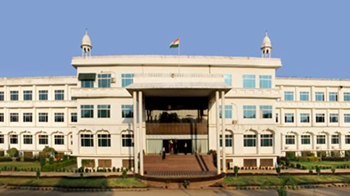 The incident led to scuffles with Kashmiri students at Mewar University in Chittorgarh. There are around 800 Kashmiri students on campus.

Comments
Mr. Bopanna Saudi is a Kingdom so the rules and regulation of king should be followed, India is republic country a democrartic country. our constitution doesnot stop from eating beef. This is the self interest of politicians.
will you allow a Hindu to eat pork in Saudi ? Then why try to eat beef in Hindustan ?
what ;;; sending gravy to forensic test? send beja of that goondas to us we will make beja fry. Its Time for muslims to stay united from kashmir to kanyakumari, any one is touched its like they are touching all muslims in india.
The hooligans do not have any other work...... Use AK - 47 at the right time, all dogs will wag their tails.....
this is called Intolerance... we have the rights to eat whatever we want to eat in this freedom country.
As KASHMIR Not in INDIA
we INDIANS are double standards.......we treat KSHMIRI Indians as NON INDIANS....but we claim KASHMIR is is an integral part of INDIA
first clear your stand in Hindu scripture as it is allowed to have Beef....and same time you deny the truth ...what happened to innocent Hindus ....is they blindly follow RSS idealogy
Add new comment