


Another way to quit smoking: Homeopathy

Agencies
June 2, 2017

New Delhi, Jun 2: Kicking the butt is actually beneficial in many ways.Slider-2
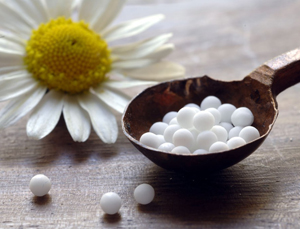
Smoking takes a lot from you. Statistics says that around six million premature deaths trigger due to tobacco and around six lakhs due to passive smoking.

Dr Pankaj Aggarwal, senior homeopathy physician at Agrawal Homeo Clinic, New Delhi, says that homeopath can be a way to help you overcome that addiction of tobacco.

How homoeopathy can help in quitting smoking?

Dried tobacco leaves are mainly used for smoking in cigarettes, cigars, tobacco pipe, and flavoured shisha tobacco. Tobacco contains the alkaloid nicotine, which is a stimulant. Homeopathy has the remedies that can help reduce the nicotine craving and it increases the will power. It offers a natural way to strive with nicotine and revoke symptoms for those on the way to their smoking habit. Fortunately homeopathy can help on quitting the habit of smoking.

Dr Aggarwal says, "It is finest way to find an approach that solely works for you and eliminate the root cause of the disease with the mutual help of your loved ones and a homeopath that can form a plan which absolutely fits you."

He shares a brief about the symptoms, causes and medication to help you to bid smoking adieu.

#Signs and symptoms of nicotine withdrawal"

The nature of tobacco craving is characterised differently as per the individual, the physical and psychological factors that motivate it, alter it or enhance it could be totally different. Learning how to quit tobacco naturally can be tough but taking it step by step to quit will likely be one of the better decisions a person will make. The main road block a person can confront are the emotional triggers like: craving, mood swings and anxiety, these are due to the nicotine withdrawal and the lack of sense of verdict. Homeopathy fixes these emotional triggers and work at the safest and the deepest levels to help quitting smoking.

Nicotine removal indications will likely peak within a two or three day's period. These symptoms will habitually disappear after two weeks, but some may experience nicotine withdrawal for quite a few months. These are the symptoms allied with nicotine withdrawal:

- Depression

- Weight put on

- Sleeplessness

- Headaches

- Extreme nicotine cravings

- Nervousness, bad temper and difficulty in concentrating

- Irritation in feet and hands

- Sore throat and coughing

#Medications

Homeopathic medications should not be taken without consulting your homoeopathic doctor. Homeopathic remedies must be taken two or three times daily while withdrawal symptoms are present as directed by the doctor. It offers safe and reliable method for the treatment.

Following are the homeopathic remedies that facilitate with tobacco extraction:

- Plantago: Plantago is specified for nicotinism, its natural variety had been found to create an aversion to tobacco. When the patient complaints are depression, sleeplessness, constipation, eye pain and bad temper then it may indicate a need for its use.

-Tabacum: Those who are having the issues like nausea, vomiting, motion sickness, indigestion, hypertension, confusion and lack of concentration are given tabacum, as it assist in elimination of the toxins carried by tobacco. It has a significant effect on tobacco craving.

- Ignatia: It is a medication often used for anxiety correlated with tobacco craving and it is frequently allied with excitability and a marked sensory hypersensitivity. Other symptoms may comprise mood swings, depression, headaches, dry cough, pains in neck and back. These symptoms are worse in the morning and at the night.

Comments

Add new comment

  • Coastaldigest.com reserves the right to delete or block any comments.
  • Coastaldigset.com is not responsible for its readers’ comments.
  • Comments that are abusive, incendiary or irrelevant are strictly prohibited.
  • Please use a genuine email ID and provide your name to avoid reject.
Agencies
March 25,2020

The practice of washing your hands for 20 seconds is one of the best preventive measures you can take to avoid the spread of any virus including coronavirus as recommended by the WHO.

The modern day concept of handwashing was introduced by Hungaraian doctor Ignaz Semmelweis, in 19-th century Vienna. Semmelweis proposed the practice of washing hands with chlorinated lime solutions in 1847 while working in the city's general hospital.

Decades later, in the modern times too the practise has not lost it's relevance. To connect with savvy consumers the message is being sent through social media? But social media can also be a dark place where misinformation is rampant; consumers can end up being misguided and compromised on sensitive issues like health and hygiene.

Dettol, recently kickstarted its #HandWashChallenge on TikTok aiming to raise awareness on four simple steps of handwashing. Strategically aimed at creating awareness among audience, a unique song has been created pairing it extremely well with the hashtag #HandWashChallenge. The hashtag filter has a branded Dettol strip across the top with the hashtag and names the steps involved in washing hands. The user can dance out the steps to the challenge and share it with their friends to further amplify the message on hygiene and safety.

Commenting on the same, Pankaj Duhan, Chief Marketing Officer, RB Health South Asia said, "We are elated with the response to the #HandWashChallenge, it has definitely become one of the most successfully led initiatives by any of our brands at RB. Understanding the consumer's mindset is of the utmost importance to us, therefore our campaign communication is built in a way that creates meaningful conversations to drive awareness amongst consumers. The participation by TikTok users across India has helped deliver the right message in a more engaging and interactive manner.

"I personally would like to encourage more and more people to join this global health & hygiene educational exercise. Together, let us all build a healthier nation, four steps at a time."

He further said, "Over the past couple of weeks we have witnessed a lot of misinformation floating around hygiene practices, especially over the internet. Realizing the gravity of the issue and being the responsible brand, we felt it was our prerogative to initiate this awareness campaign."

The campaign witnessed several quirky activities on each day leading to increased consumer interest. Joining the force were some of Bollywood's popular celebrities like Kartik Aaryan and Urvashi Rautela among several other TikTok influencers who have millions of followers on the platform. As part of Phase II, Dettol plans to take the challenge global by encouraging more users to participate while the audience worldwide.

The challenge has witnessed over 18 Billion views and generated over 123K user participation videos in one week of starting the campaign.

Comments

Add new comment

  • Coastaldigest.com reserves the right to delete or block any comments.
  • Coastaldigset.com is not responsible for its readers’ comments.
  • Comments that are abusive, incendiary or irrelevant are strictly prohibited.
  • Please use a genuine email ID and provide your name to avoid reject.
Agencies
March 16,2020

New Delhi, Mar 16: A recent survey across 140 districts of the country shows that about 54 per cent of Indians are finding travelling to be unsafe as the deadly coronavirus (COVID-19) pandemic sweeps globally.

The big worry that people have is community transmission, something that researchers from around the world have approximated at 10 per cent of total infections and more common in places like Wuhan in China, South Korea, Iran and Italy.

The months of March to June have historically been high travel season for most Indians, largely due to the summer vacations in schools. "But it seems that Indians do not want to take a chance with this rather scary virus and are either cancelling or postponing their travel plans," concluded the survey by LocalCircles.

The survey gathered more than 22,000 responses from participants in tier one, two and three cities. It said 48 per cent Indians plan to cancel their international business travel for the next four months.

Besides, nearly 38 per cent of respondents said they had to pay cancellation fee to the website, travel agent, airline or railways.

"These are testing times for the entire travel and tourism industry -- airlines, hotels, travel agents as well as small tour and taxi operators. The best solution at this point is to adjust cost structures, stay flexible and work with a collective approach to minimise the period of impact to both citizens and business," said LocalCircles.

Comments

Add new comment

  • Coastaldigest.com reserves the right to delete or block any comments.
  • Coastaldigset.com is not responsible for its readers’ comments.
  • Comments that are abusive, incendiary or irrelevant are strictly prohibited.
  • Please use a genuine email ID and provide your name to avoid reject.
Agencies
January 11,2020

Europe, Jan 11: Researchers have revealed the people who drink tea at least three times a week have healthy years of life and longer life expectancy.

The research was published in the European Journal of Preventive Cardiology, a journal of the European Society of Cardiology (ESC).

Dr Xinyan Wang, who is the author of the study, said: "Habitual tea consumption is associated with lower risks of cardiovascular disease and all-cause death. The favourable health effects are the most robust for green tea and for long-term habitual tea drinkers."
The analysis that was conducted included about 100,902 participants of the China-PAR project2 with no history of heart attack, stroke, or cancer.

Participants were classified into two groups: Habitual tea drinkers and never or non-habitual tea drinkers and followed-up for a median of 7.3 years.

The analyses estimated that 50-year-old habitual tea drinkers would develop coronary heart disease and stroke 1.41 years later and live 1.26 years longer than those who never or seldom drank tea. Compared with never or non-habitual tea drinkers, the habitual tea consumers had a 20 per cent lower risk of incident heart disease and stroke, 22 per cent lower risk of fatal heart disease and stroke, and 15 per cent decreased risk of all-cause death.

The potential influence of changes in tea drinking behaviour was suspected in a subset of 14,081 participants with assessments at two-time points. The average duration between the two surveys was 8.2 years, and the median follow-up after the second survey was 5.3 years.

Habitual tea drinkers who maintained their habit in both surveys had a 39 per cent lower risk of incident heart disease and stroke, 56 per cent lower risk of fatal heart disease and stroke, and 29 per cent decreased risk of all-cause death compared to consistent never or non-habitual tea drinkers.

Senior author Dr Dongfeng Gu said: "The protective effects of tea were most pronounced among the consistent habitual tea drinking group. Mechanism studies have suggested that the main bioactive compounds in tea, namely polyphenols, are not stored in the body long-term. Thus, frequent tea intake over an extended period may be necessary for the cardioprotective effect."

In a subanalysis by type of tea, drinking green tea was linked with approximately 25 per cent lower risks for incident heart disease and stroke, fatal heart disease and stroke, and all-cause death. However, no significant associations were observed for black tea.
Dr Gu noted that a preference for green tea is unique to East Asia.

Two factors may be at play. First, green tea is a rich source of polyphenols which protect against cardiovascular disease and its risk factors including high blood pressure and dyslipidaemia. Black tea is fully fermented and during this process, polyphenols are oxidised into pigments and may lose their antioxidant effects. Second, black tea is often served with milk, which previous research has shown may counteract the favourable health effects of tea on vascular function.

Gender-specific analyses showed that the protective effects of habitual tea consumption were pronounced and robust across different outcomes for men, but only modest for women. Dr Wang said: "One reason might be that 48 per cent of men were habitual tea consumers compared to just 20 per cent of women. Secondly, women had a much lower incidence of, and mortality from, heart disease and stroke. These differences made it more likely to find statistically significant results among men."

She said: "The China-PAR project is ongoing, and with more person-years of follow-up among women the associations may become more pronounced."

In conclusion, the authors have found that randomised trials are required to validate the results and to illustrate nutritional guidelines and advice for lifestyle.

Comments

Add new comment

  • Coastaldigest.com reserves the right to delete or block any comments.
  • Coastaldigset.com is not responsible for its readers’ comments.
  • Comments that are abusive, incendiary or irrelevant are strictly prohibited.
  • Please use a genuine email ID and provide your name to avoid reject.