


Another way to quit smoking: Homeopathy

Agencies
June 2, 2017

New Delhi, Jun 2: Kicking the butt is actually beneficial in many ways.Slider-2
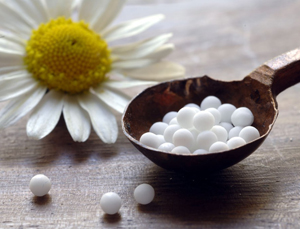
Smoking takes a lot from you. Statistics says that around six million premature deaths trigger due to tobacco and around six lakhs due to passive smoking.

Dr Pankaj Aggarwal, senior homeopathy physician at Agrawal Homeo Clinic, New Delhi, says that homeopath can be a way to help you overcome that addiction of tobacco.

How homoeopathy can help in quitting smoking?

Dried tobacco leaves are mainly used for smoking in cigarettes, cigars, tobacco pipe, and flavoured shisha tobacco. Tobacco contains the alkaloid nicotine, which is a stimulant. Homeopathy has the remedies that can help reduce the nicotine craving and it increases the will power. It offers a natural way to strive with nicotine and revoke symptoms for those on the way to their smoking habit. Fortunately homeopathy can help on quitting the habit of smoking.

Dr Aggarwal says, "It is finest way to find an approach that solely works for you and eliminate the root cause of the disease with the mutual help of your loved ones and a homeopath that can form a plan which absolutely fits you."

He shares a brief about the symptoms, causes and medication to help you to bid smoking adieu.

#Signs and symptoms of nicotine withdrawal"

The nature of tobacco craving is characterised differently as per the individual, the physical and psychological factors that motivate it, alter it or enhance it could be totally different. Learning how to quit tobacco naturally can be tough but taking it step by step to quit will likely be one of the better decisions a person will make. The main road block a person can confront are the emotional triggers like: craving, mood swings and anxiety, these are due to the nicotine withdrawal and the lack of sense of verdict. Homeopathy fixes these emotional triggers and work at the safest and the deepest levels to help quitting smoking.

Nicotine removal indications will likely peak within a two or three day's period. These symptoms will habitually disappear after two weeks, but some may experience nicotine withdrawal for quite a few months. These are the symptoms allied with nicotine withdrawal:

- Depression

- Weight put on

- Sleeplessness

- Headaches

- Extreme nicotine cravings

- Nervousness, bad temper and difficulty in concentrating

- Irritation in feet and hands

- Sore throat and coughing

#Medications

Homeopathic medications should not be taken without consulting your homoeopathic doctor. Homeopathic remedies must be taken two or three times daily while withdrawal symptoms are present as directed by the doctor. It offers safe and reliable method for the treatment.

Following are the homeopathic remedies that facilitate with tobacco extraction:

- Plantago: Plantago is specified for nicotinism, its natural variety had been found to create an aversion to tobacco. When the patient complaints are depression, sleeplessness, constipation, eye pain and bad temper then it may indicate a need for its use.

-Tabacum: Those who are having the issues like nausea, vomiting, motion sickness, indigestion, hypertension, confusion and lack of concentration are given tabacum, as it assist in elimination of the toxins carried by tobacco. It has a significant effect on tobacco craving.

- Ignatia: It is a medication often used for anxiety correlated with tobacco craving and it is frequently allied with excitability and a marked sensory hypersensitivity. Other symptoms may comprise mood swings, depression, headaches, dry cough, pains in neck and back. These symptoms are worse in the morning and at the night.

Comments

Add new comment

  • Coastaldigest.com reserves the right to delete or block any comments.
  • Coastaldigset.com is not responsible for its readers’ comments.
  • Comments that are abusive, incendiary or irrelevant are strictly prohibited.
  • Please use a genuine email ID and provide your name to avoid reject.
Agencies
June 10,2020

Early treatment with the antiviral drug remdesivir has been found to reduce viral load and prevent lung disease in macaques infected with SARS-CoV-2 that causes COVID-19, according to a study.

The findings, published in the journal Nature on Tuesday, support the early use of remdesivir treatment in patients with COVID-19 to prevent progression to pneumonia.

Researchers from the National Institutes of Health in the US noted that remdesivir has broad antiviral activity and has been shown to be effective against infections with SARS-CoV and MERS-CoV in animal models.

The drug is being tested in human clinical trials for the treatment of COVID-19, they said.

Researcher Emmie de Wit and colleagues investigated the effects of remdesivir treatment in rhesus macaques, a recently established model of SARS-CoV-2 infection.

Two sets of six macaques were inoculated with SARS-CoV-2.

One group was treated with remdesivir 12 hours later -- close to the peak of virus reproduction in the lungs -- and these macaques received treatment every 24 hours until six days after inoculation.

In contrast to the control group, the researchers found that macaques that received remdesivir did not show signs of respiratory disease, and had reduced damage to the lungs.

Viral loads in the lower respiratory tract were also reduced in the treated animals; viral levels were around 100 times lower in the lower-respiratory tract of remdesivir-treated macaques 12 hours after the first dose, they said.

The researchers said that infectious virus could no longer be detected in the treatment group three days after initial infection, but was still detectable in four out of six control animals.

Despite this virus reduction in the lower respiratory tract, no reduction in virus shedding was observed, which indicates that clinical improvement may not equate to a lack of infectiousness, they said.

Dosing of remdesivir in the rhesus macaques is equivalent to that used in humans, the researchers noted.

They cautioned that it is difficult to directly translate the timing of treatment used in corresponding disease stages in humans, because rhesus macaques normally develop only mild disease.

However, researchers said the results indicate that remdesivir treatment of COVID-19 should be initiated as early as possible to achieve the maximum treatment effect.

Comments

Add new comment

  • Coastaldigest.com reserves the right to delete or block any comments.
  • Coastaldigset.com is not responsible for its readers’ comments.
  • Comments that are abusive, incendiary or irrelevant are strictly prohibited.
  • Please use a genuine email ID and provide your name to avoid reject.
Agencies
January 4,2020

Washington D.C., Jan 3: A new study has found out that diet significantly affects the mental health and well being of an individual.

The study was published in the journal European Neuropsychopharmacology.

"We have found that there is increasing evidence of a link between a poor diet and the worsening of mood disorders, including anxiety and depression. However, many common beliefs about the health effects of certain foods are not supported by solid evidence," said the lead researcher, Professor Suzanne Dickson.

According to the researchers, the link between diet and mental health can be firmly established in certain cases like that of the ability of a ketogenic diet being helpful for children with epilepsy and the impact of vitamin B12 deficiency on poor memory, depression and fatigue.

"With individual conditions, we often found very mixed evidence. With ADHD for example, we can see an increase in the quantity of refined sugar in the diet seems to increase ADHD and hyperactivity, whereas eating more fresh fruit and vegetables seems to protect against these conditions," said Dickson

But there are comparatively few studies, and many of them don't last long enough to show long-term effects," added Dickson.

The study further concludes that some food items can be associated with treatment and the betterment of certain mental health conditions.

Comments

Add new comment

  • Coastaldigest.com reserves the right to delete or block any comments.
  • Coastaldigset.com is not responsible for its readers’ comments.
  • Comments that are abusive, incendiary or irrelevant are strictly prohibited.
  • Please use a genuine email ID and provide your name to avoid reject.
News Network
March 6,2020

Mar 6: The spread of the new coronavirus is shining the spotlight on a little-discussed gender split: men wash their hands after using the bathroom less than women, years of research and on-the-ground observations show.

Health officials around the world advise that deliberate, regular handwashing is one of the best weapons against the virus which causes a flu-like respiratory illness that can kill and has spread to around 80 countries.

The Centers for Disease Control and Prevention's online fact sheet "Handwashing: A corporate activity," cites a 2009 study that finds "only 31% of men and 65% of women washed their hands" after using a public restroom.

Social media comments about men's handwashing lapses forced an august British institution to caution visitors about bathroom behaviour this week.

After author Sathnam Sanghera complained on Twitter about "grown," "educated" men in the British Library toilets not washing their hands, the library responded, putting up additional signs reminding patrons to wash their hands in men's and women's bathrooms.

Thanks to "visitor feedback," a spokesman told Reuters, "we have increased further the number of posters in public toilets so that visitors are reminded of the importance of good hygiene at exactly the point where they can wash their hands."

Men and women approach handwashing after using the restroom differently, according to multiple surveys and field studies.

"Women wash their hands significantly more often, use soap more often, and wash their hands somewhat longer than men," according to a 2013 Michigan State University field study conducted by research assistants who observed nearly 4,000 people in restrooms around East Lansing, Michigan.

The study found 14.6% of men did not wash their hands at all after using the bathroom and 35.1% wet their hands but did not use soap, compared to 7.1% and 15.1% of women, respectively.

"If you stand in the men's bathroom at work, and watch men leave, they mostly don't wash their hands if they used the urinal," said one New York City public relations executive, who did not want to be identified for fear of alienating his colleagues.

Since the virus's spread, he's seen an uptick in men's handwashing at work, he noted. "I, for the record, do wash my hands all the time," he added.

Female medical staff in critical care units "washed their hands significantly more often than did their male counterparts after patient contact," a 2001 study published in the American Journal of Infection Control found.

Middle-aged women with some college education had the highest level of knowledge about hand hygiene, a survey published in 2019 by BMC Public Health, an open access public health journal, found.

Early information about coronavirus infection in China shows that men may be more susceptible to the disease. Just over 58% of the more than 1,000 COVID-19 patients reported in China through Jan. 29, 2020, were male, research published in the New England Journal of Medicine shows.

Researchers have not linked the difference to hand hygiene.

Comments

Add new comment

  • Coastaldigest.com reserves the right to delete or block any comments.
  • Coastaldigset.com is not responsible for its readers’ comments.
  • Comments that are abusive, incendiary or irrelevant are strictly prohibited.
  • Please use a genuine email ID and provide your name to avoid reject.