Bengaluru, Feb 24: Census authorities in Karnataka have requested deputy commissioners in the state’s districts to hold outreach and awareness campaigns about the National Population Register (NPR), as they fear misgivings about the exercise could hurt the forthcoming enumeration of population.
The house-listing phase of the Census and updating of NPR will be rolled out simultaneously by mid-April in the BJP-ruled state.
About 1,50,000 enumerators will handle the massive exercise.
Officials believe widespread awareness will help address concerns about the NPR data-gathering process and make people cooperate with enumerators when they visit houses for both NPR and census work.
“Sensing the kind of questions that enumerators may face when they do house visits, in all video conferences with deputy commissioners of districts, we have requested to establish contact with local representatives,” SB Vijay Kumar, director of Census Operations in Karnataka told news agency. “We have asked them to organise outreach programmes to ensure that people’s doubts are resolved before the information gathering work begins,” he added.
Census operations are handled by the Union home ministry. Several district officials are said to have raised concerns about the possibility of people refusing to share information when the work on the census and NPR begins in two months. This would affect the quality of the census work, making the exercise incomplete.
news channel earlier reported that people in parts of Karnataka had declined to share personal information with officials visiting households in connection with government programmes, suspecting them of gathering data for the yet-to-be unveiled National Register of Citizens, following enactment of the Citizenship Amendment Act (CAA) recently.
Kumar said district authorities will train and sensitise enumerators to tread carefully while gathering information. Enumerators will be told not to demand information but seek it gently.
“We will tell enumerators to proactively engage with people. For instance, if an old man in a village does not know his exact date or place of birth, the enumerator may engage in a conversation with the person that may elicit some anecdotes and roughly establish the year and the place of birth,” the census director said.
As of now, the NPR questionnaire has 21queries, but officials say it has not yet been finalised.
With most of the census and NPR data gathering and storage happening digitally this time, the challenge before census officials is to convince people that the data would remain safe.
“Individual data is sealed and all that we can see is collective data. The information is consolidated and tailor-made. We are telling district officials to create awareness about data safety as well,” Kumar said.





Comments
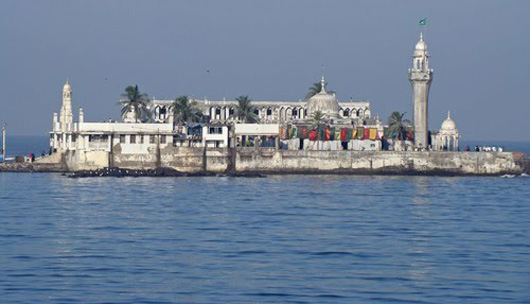
2 Decade back I visited Haji ali Darga just to see what is going on. There is a Masjid in the tiny island adjustacent to Darga. People of all faith are visiting the Darga offer prayers and chadar etc. Most ladies visiting this Darga are prostitutes of Mumbai Redlight Area and aslo I saw they are spreading their hair on the Darga for unknown reason. Its pity to note men also visit the Darga but when the prayer was called hardly there are few people in the Masjid.
Darga or Shabarimala cannot be compared, but visiting Darga is out of Islamic Sharia. There is no speciality in visiting Darga and do not have any importance. Offering prayers at Masjids has more significance.
Whoever puts his trust on other than Allah then he is not believing in one true god.
Our so called Mullas are allowing ladies to visit Darghas whereas they are restricted to Masjid for offering Namaz.
Here Haji Ali Dargha trust refused entry of ladies and the public filed a petition in the court to allow ladies entry in to this Dargha. Our so called Imams of the Masjids should teach the muslim community to offer 5 times regular namaz on priority than visiting dargha.
Flatten it to the ground
Add new comment