


‘If this thing boomerangs’: Second wave of infections feared

Agencies
May 8, 2020

As Europe and the US loosen their lockdowns against the coronavirus, health experts are expressing growing dread over what they say is an all-but-certain second wave of deaths and infections that could force governments to clamp back down.

"We are risking a backslide that will be intolerable," said Dr Ian Lipkin of Columbia University's Center for Infection and Immunity.

Around the world, German authorities began drawing up plans in case of a resurgence of the virus. Experts in Italy urged intensified efforts to identify new victims and trace their contacts. And France, which has not yet eased its lockdown, has already worked up a "reconfinement plan" in the event of a new wave.

"There will be a second wave, but the problem is to which extent. Is it a small wave or a big wave? It is too early to say," said Olivier Schwartz, head of the virus unit at France's Pasteur Institute.

In the US, with about half of the states easing their shutdowns to get their economies restarted and cellphone data showing that people are becoming restless and increasingly leaving home, public health authorities are worried.

Many states have not put in place the robust testing that experts believe is necessary to detect and contain new outbreaks. And many governors have pressed ahead before their states met one of the key benchmarks in the Trump administration's guidelines for reopening -- a 14-day downward trajectory in new illnesses and infections.

"If we relax these measures without having the proper public health safeguards in place, we can expect many more cases and, unfortunately, more deaths," said Josh Michaud, associate director of global health policy with the Kaiser Family Foundation in Washington.

Cases have continued to rise steadily in places such as Iowa and Missouri since the governors began reopening, while new infections have yo-yoed in Georgia, Tennessee and Texas.

Lipkin said he is most worried about two things: the reopening of bars, where people crowd together and lose their inhibitions, and large gatherings such as sporting events, concerts and plays. Preventing outbreaks will require aggressive contact tracing powered by armies of public health workers hundreds of thousands of people strong, which the US does not yet have, Lipkin said.

Worldwide the virus has infected more than 36 lakh people and killed over a quarter-million, according to a tally by Johns Hopkins University that experts agree understates the dimensions of the disaster because of limited testing, differences in counting the dead and concealment by some governments.

The US has recorded over 70,000 deaths and 12 lakh confirmed infections, while Europe has reported over 140,000 dead.

This week, the researchers behind a widely cited model from the University of Washington nearly doubled their projection of deaths in the US to around 134,000 through early August, in large part because of the easing of state stay-at-home restrictions. Newly confirmed infections per day in the US exceed 20,000 and deaths per day are running well over 1,000.

In hard-hit New York City, which has managed to bring down deaths dramatically even as confirmed infections continue to rise around the rest of the country, Mayor Bill de Blasio warned that some states may be reopening too quickly.

"My message to the rest of the country is learn from how much effort, how much discipline it took to finally bring these numbers down and follow the same path until you are sure that it is being beaten back," he said on CNN, "or else, if this thing boomerangs, you are putting off any kind of restart or recovery a hell of a lot longer."

A century ago, the Spanish flu epidemic's second wave was far deadlier than its first, in part because authorities allowed mass gatherings from Philadelphia to San Francisco.

"It is clear to me that we are in a critical moment of this fight. We risk complacency and accepting the preventable deaths of 2,000 Americans each day," epidemiologist Caitlin Rivers, a professor at Johns Hopkins, told a House subcommittee in Washington.

President Donald Trump, who has pressed hard to ease the restrictions that have throttled the economy and thrown more than three crore Americans out of work, pulled back Wednesday on White House plans revealed a day earlier to wind down the coronavirus task force.

He tweeted that the task force will continue meeting indefinitely with a "focus on SAFETY & OPENING UP OUR COUNTRY AGAIN".

Underscoring those economic concerns, the European Union predicted the worst recession in its quarter-century history. And the US unemployment rate for April, which comes out on Friday, is expected to hit a staggering 16 per cent, a level last seen during the Great Depression of the 1930s.

Governors continue to face demands, even lawsuits, to reopen. In Michigan, where armed demonstrators entered the Capitol last week, the Republican-led Legislature sued Democratic Governor Gretchen Whitmer, asking a judge to declare invalid her stay-at-home order, which runs at least through May 15.

In hard-hit Italy, which has begun easing restrictions, Dr Silvio Brusaferro, president of the Superior Institute of Health, urged "a huge investment" of resources to train medical personnel to monitor possible new cases of the virus, which has killed about 30,000 people nationwide.

He said that contact-tracing apps which are being built by dozens of countries and companies are not enough to manage future waves of infection.

German Chancellor Angela Merkel said after meeting with the country's 16 governors that restaurants and other businesses will be allowed to reopen in the coming weeks but that regional authorities will have to draw up a "restriction concept" for any county that reports 50 new cases for every 100,000 inhabitants within a week.

Lothar Wieler, head of Germany's national disease control centre, said scientists "know with great certainty that there will be a second wave" of infections.

Britain, with over 30,000 dead, the second-highest death toll in the world behind the US, plans to extend its lockdown but has begun recruiting 18,000 people to trace contacts of those infected.

In other developments, the US Centers for Disease Control and Prevention said nearly 5,000 coronavirus illnesses and at least 88 deaths have been reported among inmates in American jails and prisons. An additional 2,800 cases and 15 deaths were reported among guards and other staff members.

Comments

Add new comment

  • Coastaldigest.com reserves the right to delete or block any comments.
  • Coastaldigset.com is not responsible for its readers’ comments.
  • Comments that are abusive, incendiary or irrelevant are strictly prohibited.
  • Please use a genuine email ID and provide your name to avoid reject.
Agencies
July 5,2020

The deadly coronavirus that entered India while there was still nip in the air has beaten rising mercury, humid conditions, unique Indian genome and has entered monsoon season with more potency as fresh cases are only breaking all records in the country.

India recorded a single-day spike of record 24,850 new coronavirus cases on Sunday, taking its total tally to 6.73 lakh corona-positive cases.

Top Indian microbiologists were hopeful in March that after the 21-day lockdown, as summer approaches, the rise in temperature would play an important role in preventing the drastic spread of COVID-19 virus in India.

Several virologists hinted that by June this year, the impact of COVID-19 would be less than what it appeared in March-April.

The claims have fallen flat as the virus is mutating fast, becoming more potent than ever.

According to experts, the novel coronavirus is a new virus whose seasonality and response to hot humid weather was never fully understood.

"The theory was based on the fact that high temperatures can kill the virus as in sterilisation techniques used in healthcare. But these are controlled environment conditions. There are many other factors besides temperature, humidity which influence the transmission rate among humans," Dr Anu Gupta, Head, Microbiologist and Infection Control, Fortis Escorts Heart Institute, told IANS.

There is no built-up immunity to COVID-19 in humans.

"Also, asymptomatic people might be passing it to many others unknowingly. New viruses tend not to follow the seasonal trend in their first year," Gupta emphasized.

Globally, as several countries are now experiencing hot weather, the World Health Organization (WHO) reported a record hike in the number of coronavirus cases, with the total rising by 2,12,326 in 24 hours in the highest single-day increase since COVID-19 broke out.

So far over 11 million people worldwide have tested positive for the disease which has led to over 5,25,000 deaths, according to data from Johns Hopkins University. The US remained the worst-hit country with over 28 lakh cases, followed by Brazil with 15.8 lakh.

According to Sandeep Nayar, Senior Consultant and HOD, Respiratory Medicine, Allergy & Sleep Disorders, BLK Super Speciality Hospital in New Delhi, whether temperature plays a role in COVID-19 infection is highly debated.

One school of thought said in the tropical regions of South Asia, the virus might not thrive longer.

"On the other hand, another school of thought has found that novel Coronavirus can survive in a hot and humid environment and tropical climate does not make a difference to the virus. According to them, this is what distinguishes the novel coronavirus from other common viruses, which usually wane in hot weather," stressed Nayar.

Not much has been studied in the past and no definite treatment or vaccine is available to date.

"Every day, new properties and manifestation of the disease come up. As of now, the only way to prevent this monster is by taking appropriate precautions. Hand hygiene, social distancing, cough etiquette and face masks definitely reduce spread of COVID-19 infection," Nayar told IANS.

Not just top Indian health experts, even Indian-American scientists had this theory in mind that sunshine and summer may ebb the spread of the coronavirus.

Ravi Godse, Director of Discharge Planning, UPMC Shadyside Pennsylvania in the US told IANS in April: "In the summer, the humidity can go up as well, meaning more water drops in the air. If the air is saturated with water and somebody sneezes virus droplets into such air, it is likely that the droplets will fall to the ground quicker, making them less infectious. So the short answer is yes, summer/sunshine could be bettera.

According to Dr Puneet Khanna, Head of Respiratory Medicine and Pulmonology, Manipal Hospital, Delhi, COVID-19 death rates are not too different in tropical countries but since the disease affected them late it was yet to show its peak in these areas.

"The virus can survive well in hot and humid countries and this is proven now," he stressed.

Comments

Add new comment

  • Coastaldigest.com reserves the right to delete or block any comments.
  • Coastaldigset.com is not responsible for its readers’ comments.
  • Comments that are abusive, incendiary or irrelevant are strictly prohibited.
  • Please use a genuine email ID and provide your name to avoid reject.
Agencies
May 9,2020

17-year-old Pratyusha Jha, wakes up scrambling for newspapers these days to look for any news about her pending board exams and is anxious about what the future has in store for her.

Similar concerns are shared by Bipin Kumar, a class 12 student, who says the announcement of board exams from July 1 to 15 brought limited clarity as the larger questions remain unanswered.

The COVID-19 lockdown, came with a different set of concerns for class 12 students, whose board exams were postponed midway following the outbreak of coronavirus, putting on hold their future plans as well.

"Everyday I have been looking for news about the exams and about entrance exam dates. I feel unfortunate that this happened during the year I was supposed to take the big college leap. I don't want my future decisions to be shaped by this very year as what I opt to study now will remain with me lifelong," Pratyusha told PTI.

Ending some uncertainty for students, HRD Minister Ramesh Pokhriyal 'Nishank' on Friday announced that the pending class 10 and 12 board exams will be held from July 1 to 15. While class 12 exams will be conducted across the country, the class 10 exams are only pending in North East Delhi where they were affected due to the law and order situation.

"The anxiety doesn't end here, there is no date sheet yet. What will be the modalities of exams, how will we reach centres, what protocols have to be followed, there is no clarity on that. My friends and I keep calling our school teachers and also the CBSE helpline to seek some clarity," Bipin Kumar said.

Vaibhav Sharma, a class 12 student in Gurgaon said, "There is no clarity yet. I wanted to apply for DU, but now that the exams are taking place in July when will the results be declared, when will cut offs be announced. If I don't get a good college here, will I be able to travel to different cities for admission, nothing is known yet."

Similarly, for the students in northeast Delhi, the wait for the exams has become a "test of patience" as they were postponed first in the area due to law and order situation, and later due to the coronavirus outbreak, resulting in a four-month-long wait for the exams.

"It has become an endless wait and now I don't feel like studying too. Right from childhood, we are taught that board exams are too crucial and have to be focussed at least two years in advance. But now, it is a different picture altogether," Rani Kumari, a resident of Chandbagh said.

Universities and schools across the country have been closed and exams postponed since March 16 when the Centre announced a countrywide classroom shutdown as one of the measures to contain the COVID-19 outbreak.

Later, a nationwide lockdown was announced on March 24, which has now been extended till May 17.

The board was not able to conduct class 10 and 12 exams on eight examination days due to the coronavirus outbreak. Further, due to the law and order situation in North East Delhi, the board was not able to conduct exams on four examination days, while a very small number of students from and around this district were not able to appear in exams on six days.

The board had last month announced that it will only conduct pending exams in 29 subjects which are crucial for promotion and admission to higher educational institutions. The modalities of assessment for the subjects for which exams are not being conducted will be announced soon by the board.

The schedule has been decided in order to ensure that the board exams are completed before competitive examinations such as engineering entrance JEE-Mains, which is scheduled from July 18-23, and medical entrance exam NEET, which is scheduled on July 26.

The University Grants Commission (UGC) has issued guidelines to universities that new academic session for freshers will begin from September while for the existing students from August.

Comments

Add new comment

  • Coastaldigest.com reserves the right to delete or block any comments.
  • Coastaldigset.com is not responsible for its readers’ comments.
  • Comments that are abusive, incendiary or irrelevant are strictly prohibited.
  • Please use a genuine email ID and provide your name to avoid reject.
Dr G K Sudhakar Reddy
August 4,2020

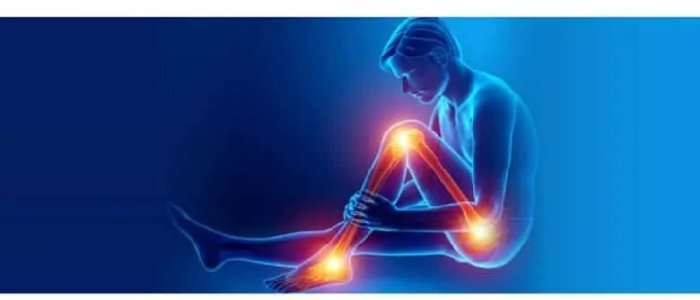
Being overweight or obese is now recognised as a serious cause of ill health and disability. There is a significant positive association between orthopaedic disorders and the level of obesity causing pain, deformity and difficulty in walking.

Excess body weight accumulation increases pressure on joints, particularly the hips, knees and ankles.

Here are a few type of  arthritis:

Osteoarthritis

It is a condition of damage/ wear and tear of the joint lining or cartilage. Obesity triggers this by loading excessive weight on the weight bearing joints like the knee and the hip. 

Knee Osteoarthritis

This is the most common arthritis especially in the Indian subcontinent.

While walking, an individual exerts 3 to 6 times pressure that of the body weight on the weight-bearing knee joint, which means in an obese with excess body weight, larger forces are exerted, which lead to higher risk of deterioration of cartilage.

In addition, there are excessive fat tissues that produce hormones and other factors that affect the joint cartilage metabolism and cause inflammation of the joints giving rise to joint pathology.  Leptin is one of the hormones causing knee osteoarthritis. 

Hip osteoarthritis

The force exerted across the hip is 3 times that of body weight. Hip osteoarthritis is caused by factors such as joint injury, increasing age and being overweight.    

Hand osteoarthritis

The observation that obese individual has a higher risk in having hand osteoarthritis has led to a hypothesis that the metabolic effect produced by fat tissue is the underlying factor. 

Osteoporosis

It is a progressive bone condition of decrease in bone mass and density (Bone Mineral Density or BMD) which can lead to an increased risk of fracture. Recent research suggests that obesity may accelerate bone loss. It is the amount of muscle mass which is seen in an active person, which accounts for bone strengthening effects and not due to the fat seen in a heavy person.

Low back pain

Low back pain from degenerative disc disease of the lumbar spine is one of the most disabling conditions in the community and overweight and obesity have the strongest association with seeking care for low back pain.

Managing Hip and Knee Osteoarthritis

Life style changes

If one is overweight, try to lose weight by doing more physical activity and eating a healthier diet. Regular exercise keeps you active and mobile and builds up muscle, thereby strengthening the joints and can improve symptoms. 

Pain Killers

Painkillers help with pain and stiffness for short term. They don’t affect the arthritis itself and won’t repair the damage to your joint. Creams and gels can be applied directly onto painful joints.

Nutritional Supplements

Glucosamine and chondroitin are nutritional supplements. Animal studies have found that glucosamine can both delay the breakdown of and repair damaged cartilage. However, there is insufficient evidence to support the use of glucosamine in humans and one can expect only a mild-to-moderate reduction in pain

Joint injections

If pain from osteoarthritis is severe joint steroid injections are injected into the joints that can reduces swelling and pain. The injections can start working within a day or so and may improve pain for several weeks or months. 

Hyaluronic acid injections, which help to lubricate your knee joint also give short term relief. In early stages. Stem cell treatment or cartilage regeneration procedures are being tried in young people with small defects, however it is still experimental and lacks long term evidence.

Surgery

May be recommended if you have severe pain or mobility problems.

Arthroscopy

If one has frequent painful locking/stiffening episodes especially in the knee joint, an operation to wash out loose fragments of bone and other tissue as joint can be performed by a minimally invasive key hole procedure called Arthroscopy.

Arthrodesis

If hip or knee replacement is not suitable, especially in young people who do heavy manual work, one can consider an operation known as an arthrodesis, which fuses your joint in a permanent position. This means that your joint will be stronger and much less painful, although you will no longer be able to move it.

Osteotomy

In young, active people in whom a knee joint replacement would fail due to excessive use one can consider an operation called an osteotomy. This involves adding or removing a small section of bone either above or below your knee joint.  This helps realign your knee so your weight is no longer focused on the damaged part of your knee. An osteotomy can relieve your symptoms of osteoarthritis, although you may still need knee replacement surgery eventually as you grow old

Joint replacement surgery

Joint replacement therapy is most commonly carried out to replace hip and knee joints. It involves replacing a damaged, worn or diseased joint with an artificial joint made of special plastics and metal.

For most people, a replacement hip or knee will last for at least 20 years, especially if it is cared for properly and not put under too much strain.

Dr G K Sudhakar Reddy is a Sr Consultant Orthopaedic Surgeon at Citizens Speciality Hospitals, Hyderabad

Comments

Add new comment

  • Coastaldigest.com reserves the right to delete or block any comments.
  • Coastaldigset.com is not responsible for its readers’ comments.
  • Comments that are abusive, incendiary or irrelevant are strictly prohibited.
  • Please use a genuine email ID and provide your name to avoid reject.