Bengaluru, May 29: Karnataka Law and Parliamentary Affairs Minister J C Madhuswamy on Thursday said the Centre has objected to the state's decision to increase working days at factories, and the matter would be discussed in the next cabinet meeting.
"....the Centre has raise objection to extending working days and has said it should be brought down. We will amend it....I will share the details after the next cabinet meet, the matter did not come up today (Thursday), we have received the letter," Madhuswamy told reporters in response to a question after the cabinet meeting.
He noted that a couple of states that had increased the working hours have withdrawn it. The Karnataka government had, on May 22, issued a notification allowing factories to extend working hours upto 10 hours a day and 60 hours a week till August 21. The extension of work hours is from the existing eight hours a day and 48 hours a week.
Pointing out that while announcing COVID-19 relief package, the Chief Minister B S Yediyurappa had announced Rs 5,000 per acre for maize farmers, Madhuswamy said while issuing the circular which mentioned that relief would be applicable to rabi crop, as it would not benefit many farmers.
Now, it has now been decided to give Rs 5,000 per acre to all maize farmers, irrespective of rabi or kharif. There were also several rules and regulations for barbers, autorickshaw and taxi drivers among others to claim their one-time compensation of Rs 5,000, the Minister said.
"We have decided to relax most of them (rules) other than those essential and give compensation, as regulations wouldn't have benefited many," he said. With five nominated seats of legislative council falling vacant on June 23, the cabinet has authorised the Chief Minister to nominate for 5 seats.
The cabinet also gave post-facto approval for Karnataka Repealing of Certain Enactments and Regional Law Bill 2020 that has been passed by the legislature.



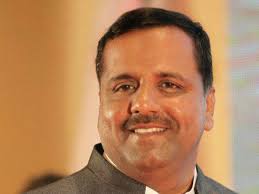 After public outcry, health and family welfare minister UT Khader had urged the finance department on Tuesday for ICU tax exemption.
Comments
It is only in India and many under-developed nations that Health and Education is made costly. Health and Education in many developed countries is their Birth Right and hence they are available to them either free of cost or highly subsidized form. We pay taxes for every thing we buy and use but why can't Govt. afford to implement the scheme. In the present scenario only rich can have good health and education, others have to either do some diploma or look for job early. The Govt. College and Hospitals are pathetic to go. Can they develop such that they are in par with Private institutions? Or do politicians have stakes in private companies that they don't want to improve the services of Govt. run institutions?
Add new comment