Bengaluru, May 28: As many as 115 new coronavirus cases were reported in Karnataka on Thursday taking the infection count to 2,533, Karnataka Minister S Suresh said.
The total coronavirus cases include 834 discharges, 1,650 active cases, 47 deaths so far due to the disease and two deaths due non-COVID causes, Suresh Kumar, who is minister for primary and secondary education, said during the daily COVID-19 briefing.
According to him, 29 cases were reported in Udupi on Thursday, followed by 24 in Dakshina Kannada district, 13 in Hassan, 12 in Bidar, nine in Bengaluru Urban, seven in Yadagiri, six in Chitradurga, five in Kalaburagi, four in Haveri, three in Chikkamagaluru, two in Vijayapura and one in Raichur.
The minister said among the new cases, 95 are inter-state passengers and two international passengers.
According to the health department, 84 infected people have returned from Maharashtra and eight from Tamil Nadu.
Among those discharged today, 13 are in Davangere, 12 in Dakshina Kannada, nine each in Yadagiri and Vijayapura, five in Gadag, three in Belagavi, one each in Mysuru and Bagalkote.
Two are severe acute respiratory infection cases.
There were, however, no coronavirus related deaths in the state today, the minister said.
Kumar said the government has issued another circular making changes in the quarantine rules.
"A person who has completed seven days of institutional quarantine and is asymptomatic can be permitted for home quarantine without a COVID test, subject to undergoing medical check-up," the minister said.
According to the circular, all elderly people of above 60 years of age and those with comorbidities such as diabetes, hypertension, asthma, heart ailment and renal diseases, are required to be clinically evaluated diligently prior to shifting them to home quarantine.
Such people will be under mandatory home quarantine for seven days, the circular read.



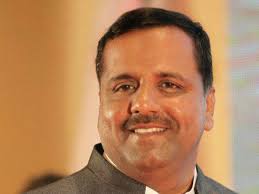 After public outcry, health and family welfare minister UT Khader had urged the finance department on Tuesday for ICU tax exemption.

Comments
It is only in India and many under-developed nations that Health and Education is made costly. Health and Education in many developed countries is their Birth Right and hence they are available to them either free of cost or highly subsidized form. We pay taxes for every thing we buy and use but why can't Govt. afford to implement the scheme. In the present scenario only rich can have good health and education, others have to either do some diploma or look for job early. The Govt. College and Hospitals are pathetic to go. Can they develop such that they are in par with Private institutions? Or do politicians have stakes in private companies that they don't want to improve the services of Govt. run institutions?
Add new comment