New Delhi, Jul 3: Accredited Social Health Activists (ASHAs) in Karnataka have emerged as a "crucial pillar in the state's success" in combating Covid-19, the Union Health Ministry said on Friday.
Acknowledging and praising their work, the ministry said they have been actively participating in household surveys in the state, screening inter-state passengers, migrant workers and others in the community for symptoms of the infection,
“Around 42,000 ASHAs have emerged as a crucial pillar in the state's success” in combating Covid-19, the ministry said.
"Recognizing the increased vulnerability of certain population groups to Covid-19, in a one-time survey to identify households with the elderly, persons with co-morbidities, and immune-compromised individuals, about 1.59 crore households were covered," the ministry said in a statement.
ASHAs regularly monitor such high-risk groups in their area with a periodicity of follow-up visits varying from once a day in the containment zones to once every 15 days in other areas, it said.
They also visit the houses of persons complaining influenza-like-illness (ILI) symptoms and severe acute respiratory infections (SARI), besides high-risk individuals who have called the state health department helpline numbers, the ministry said.
ASHAs are a part of the Rural Task Force, headed by Panchayat Development Officer (PDO) at the Gram Panchayat level, for addressing public grievances on both Covid-19 and non-Covid-19 related services.
ASHAs are trained female community health activists selected from the village itself and accountable to it. They are trained to work as an interface between the community and the public health system.
In the urban areas too, they have been at the forefront of dissemination of various awareness activities in fever clinics and swab collection centres in urban areas.
They have also actively screened cases of ILI and SARI in urban areas. They are also part of the screening teams at international and interstate check-posts.
Karnataka has reported 272 Covid-19 deaths and 18,016 cases, according to the health ministry data updated at 8 AM.



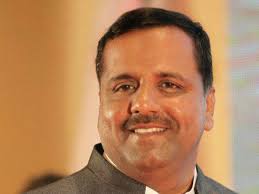 After public outcry, health and family welfare minister UT Khader had urged the finance department on Tuesday for ICU tax exemption.
Comments
It is only in India and many under-developed nations that Health and Education is made costly. Health and Education in many developed countries is their Birth Right and hence they are available to them either free of cost or highly subsidized form. We pay taxes for every thing we buy and use but why can't Govt. afford to implement the scheme. In the present scenario only rich can have good health and education, others have to either do some diploma or look for job early. The Govt. College and Hospitals are pathetic to go. Can they develop such that they are in par with Private institutions? Or do politicians have stakes in private companies that they don't want to improve the services of Govt. run institutions?
Add new comment