Normal life hit across Karnataka as transport unions strike work

July 25, 2016

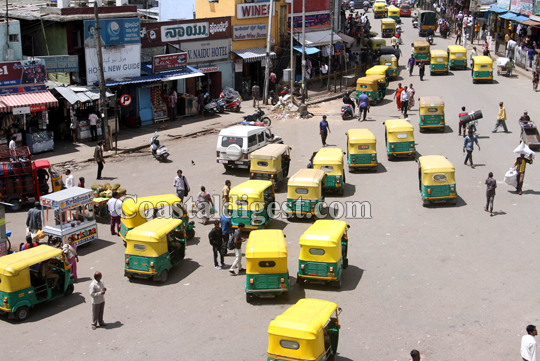
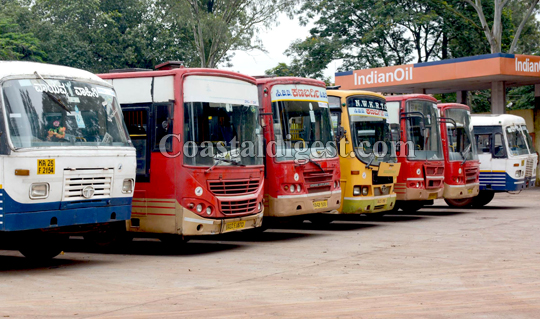
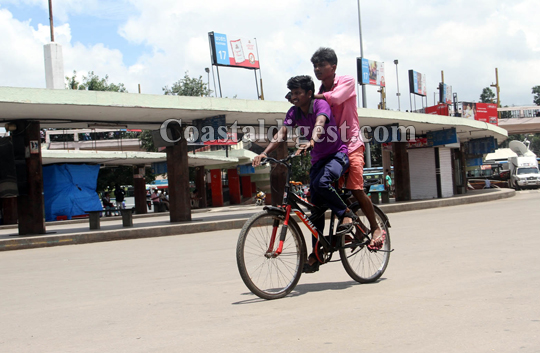
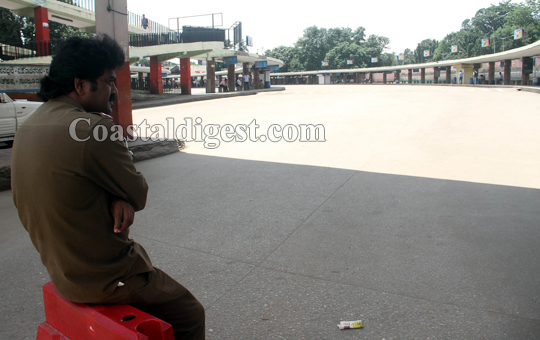
Bengaluru, Jul 25: Normal life was affected on Monday across Karnataka, including the IT capital here, with over one lakh employees of four state road transport corporations commencing an indefinite strike, seeking wage hike.
ksrtcbundh 1

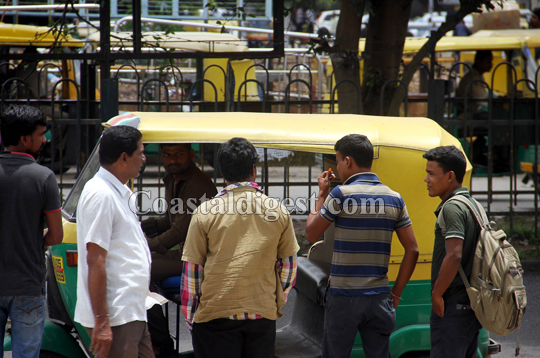
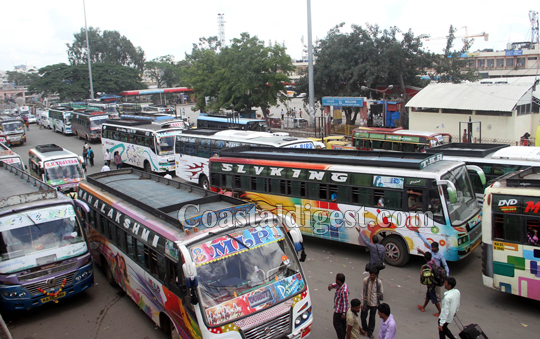
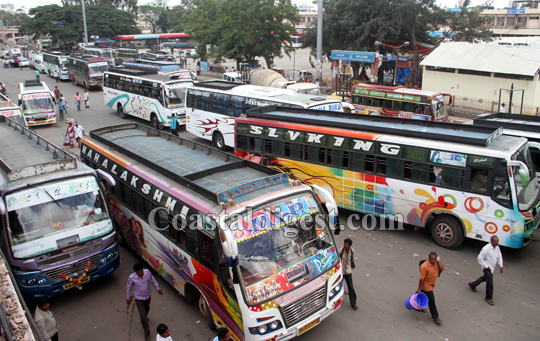
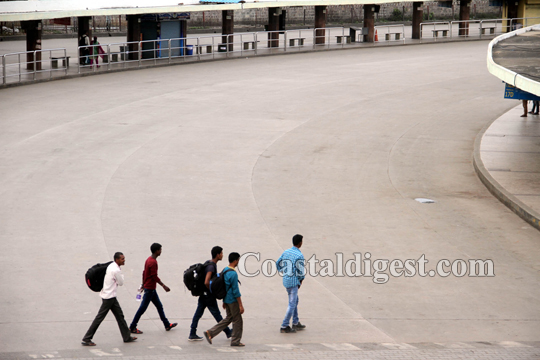
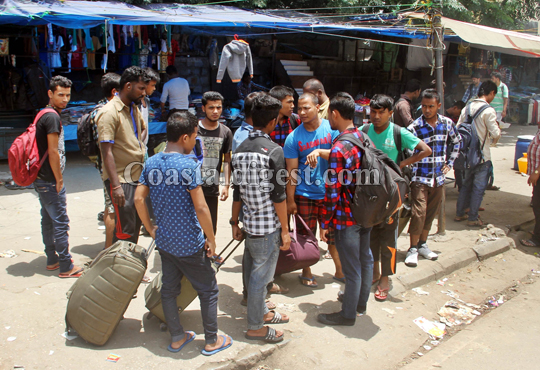
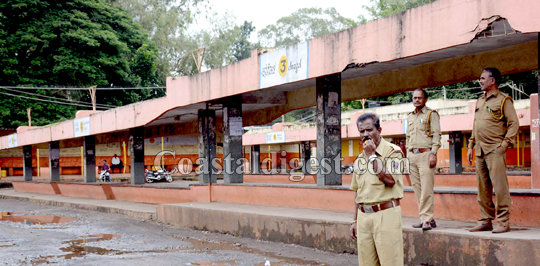
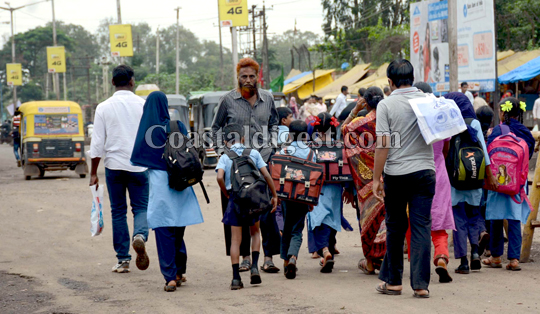
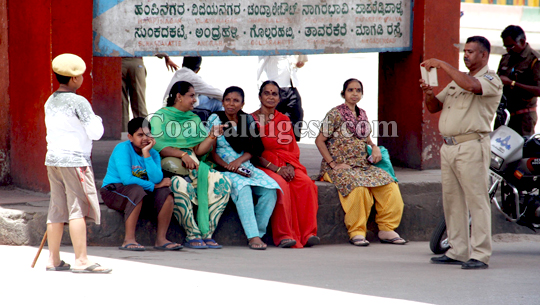
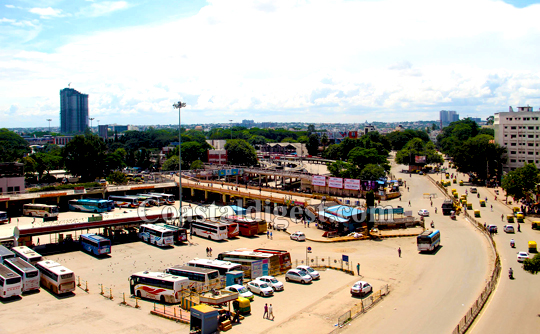
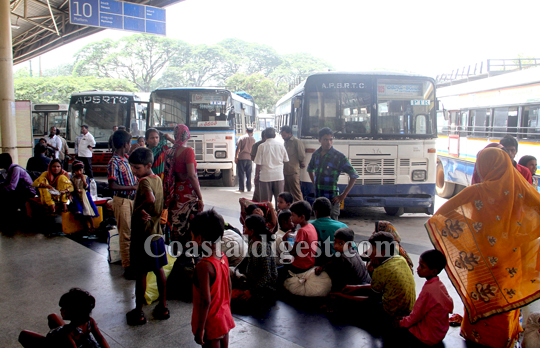
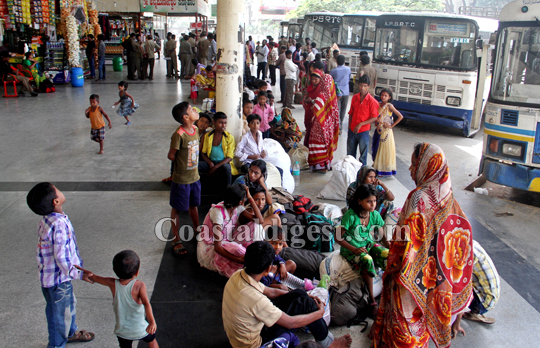
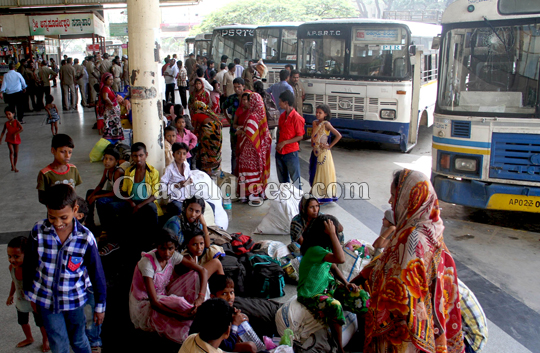
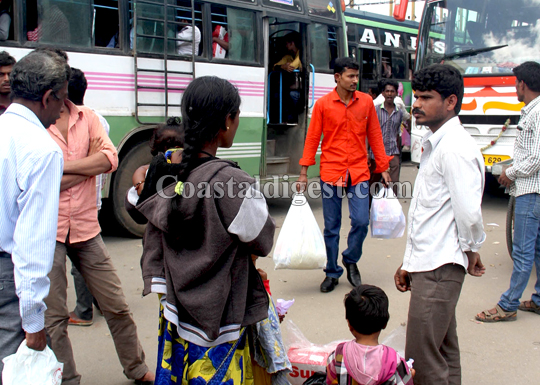
As the employees struck work since last midnight, office-goers waiting at bus stops was a common sight across the city, while thousands who had come down to Bengaluru from different parts of the state were seen stranded at Kempegowda bus stand, the city's main bus terminal.

Commuters had started facing trouble since yesterday evening with drivers and conductors not turning up for work.

Similar reports have emerged from different parts of the state. Authorities in several districts have declared a holiday in schools and colleges.

More than one lakh employees of state transport corporations have gone on strike with about 41 demands, including a 35 per cent wage hike, while state government has offered 10 per cent increase.

Several rounds of reconciliatory meetings held between the management of state transport corporations and the unions, even at the level of transport minister Ramalinga Reddy, had failed with both sides sticking to their stand.

"We are still open for discussion with the unions. They have to come for discussion with an open mind. They will also have to understand the financial situation and reconsider their demand of 35 per cent wage hike. We are ready for discussion at the chief ministerial level," Reddy had said.

KSRTC Staff and Workers Federation general secretary and All India Trade Union Congress leader H V Anantha Subbarao said, "The unions are ready for a meeting with Chief Minister. Let him call a meeting. We feel sorry that public are suffering, but our concerns should also be addressed."

Meanwhile, stone pelting on buses was reported from different parts of the state like Hassan, Bengaluru, Ramanagara, Belagavi, Shivamogga, Koppal and Chikkamagaluru.

Transport officials said alternative arrangements are being made by giving temporary contract carriage to private operators during the strike.

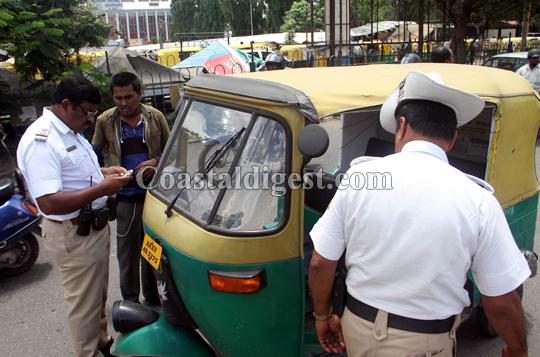
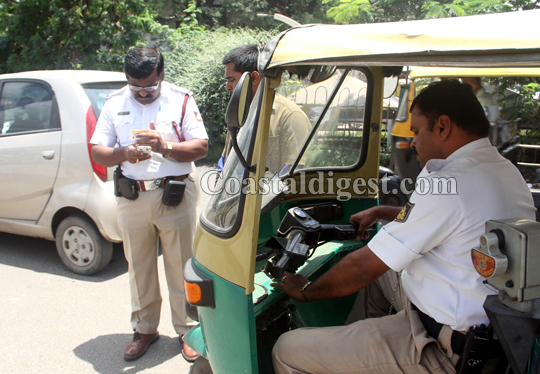
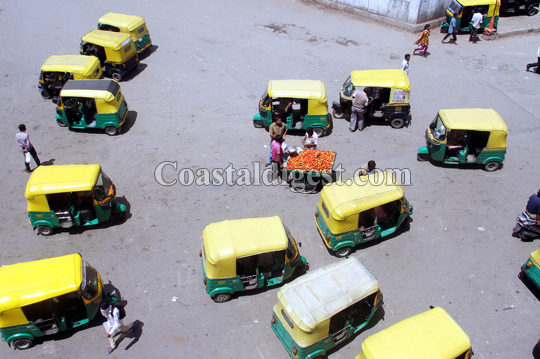
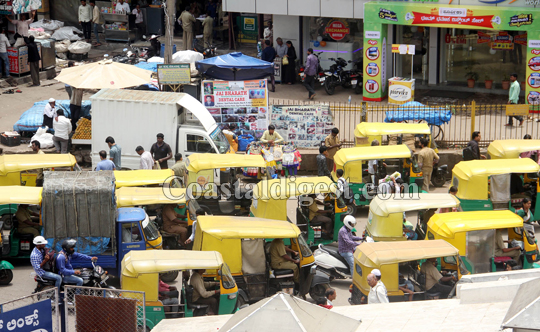
In the wake of the strike, public were depending on private and own vehicles for commuting even as several commuters complained that private transporters were overcharging.

Transport officials said they have begun crackdown of private transporters who are overcharging.

ksrtcbundh 2

ksrtcbundh 3

ksrtcbundh 4

ksrtcbundh 5

ksrtcbundh 6

ksrtcbundh 7

ksrtcbundh 8

ksrtcbundh 9

ksrtcbundh 10

ksrtcbundh 11

ksrtcbundh 12

ksrtcbundh 13

ksrtcbundh 14

ksrtcbundh 15

ksrtcbundh 16

ksrtcbundh 17

ksrtcbundh 18

ksrtcbundh 19

ksrtcbundh 20

ksrtcbundh 21

ksrtcbundh 22

ksrtcbundh 23

ksrtcbundh 24

ksrtcbundh 25

ksrtcbundh 26

ksrtcbundh 27

ksrtcbundh 28

Comments

Add new comment

  • Coastaldigest.com reserves the right to delete or block any comments.
  • Coastaldigset.com is not responsible for its readers’ comments.
  • Comments that are abusive, incendiary or irrelevant are strictly prohibited.
  • Please use a genuine email ID and provide your name to avoid reject.
News Network
March 28,2020

Bengaluru, Mar 28: Sun Tsu, in 'The Art of War' speaks of a skilful general who can subdue his enemy without any fighting. This constitutes the ultimate triumph which is referred to as stratagem. Today, we would need one such when we are faced with the '21-day corona challenge' for India.
Nearly four weeks back, Dr Jyothsna Rao, Dr Gururaj Rao and I sat across the OPD in the afternoon at HCG Bengaluru discussing our ongoing cancer immunology research. While on this topic, we drifted into the discussion on the coronavirus. During this engaging discussion, we wondered the similarity of the enigma between the virus and cancer. I paused to ask Dr Jyothsna and Dr Guru - how we wish we could do something against this virus.
Dr Jyothsna is a PhD from NCBS and had worked under Dr Ralph Steinman, physician and researcher from Rockefeller University, who won the Nobel Prize for his discovery of the dendritic cell and its role in adaptive immunity in 2011. Dr Gururaj is a molecular and cell biologist who did his PhD at the Chapel Hill, University of North Carolina and is the Director of iCrest.
Jyothsna while hearing our perplexing conversation on the covid intervened, "Yes, surely. I think we should take a break from cancer and focus on the innate and adaptive immunity role in COVID-19."
Thus began this sincere attempt to relook the human immune system from the eyes of the COVID-19.
We have 10 types of immune cells at the least which are widely dispersed in millions across the body. When our body is invaded by a foreign organism (bacteria, fungi or virus), these cells work with each other to destroy the invader.
Now, the question is - how do the immune cells talk to each other? They use small-molecule substances called cytokines (cyto means cells; kine means movement). There are many cytokines that are involved in work on the immune system. The most relevant for viruses are interferons.
Interferons (IFN) as the name reflects have an ability to interfere with the viral activity and stop their multiplication. These specialised signal proteins are released by our cells in response to a viral attack to forewarn other cells. They help build the antiviral proteins within the cells to kill the virus as it tries to invade the new cells.
Historically, interferons are a group of cytokines known to be potent antiviral agents against viruses and a hallmark cytokine induced by the host upon viral infections. Interferons possess unique immunoregulatory activities and are signature cytokines released by (TH1) T immune cells, which are crucial in viral infections.
As the outbreak of COVID-19 grapples us, an urgent need for finding strategies to combat the virus is growing. Coronaviruses (CoVs) are a group of RNA viruses. In patients infected with coronavirus, it was indicated that the activation of the IFN does not occur until 48 hours post-infection. Thus the delayed IFN-related antiviral response by the healthy cells leads to coronavirus evade the immune response.
Numerous studies have presented the success in defeating CoVs by the direct administration of IFNs. In a combination as a concoction, it was shown to synergistically inhibit the virus replication in vitro.
Moreover, it is understood that the earlier induction of IFNs in children although they have a less developed immune system could be the reason behind the children being least affected.
The key to success in reducing the disease fatality might be the stimulation of the immune responses to trigger IFN production at the very early stages of the disease, which might be done through the administration of IFN. Despite the evidence for the efficacy of IFNs in treating CoV-induced infections, the proper dosing and ideal timing for such interventions needs to be verified in clinical trials.
For the later stages of the diseases in advance stages where patients are on ventilator and have developed respiratory distress, we propose to utilise the mesenchymal cells derived from donor bone marrow that have been known to treat acute respiratory syndrome. Mesenchymal cells are known to possess anti-inflammatory activity and thus used often in autoimmune diseases.
With this scientific background, we have activated T cells from healthy donors, in a cGMP facility at iCrest - HCG hospital with an enriched cocktail of cytokines rich in Interferons. Injections of this cocktail we believe will result in a surge of cytokines in the body of the infected person and will boost his ability to fight the virus in the early phases. We are in the initial phases of this study and hope to be ready in the coming weeks with meaningful data on its potential utility.
Currently, it awaits government approvals (Union and state) and we have applied to central drugs authority for their initial evaluation and further directions.
As my Guru often expounded the philosophy of 'Seva' - the goal of education is knowledge, the end goal of knowledge is service. In this attempt to serve our fellow humans at this brink of unprecedented crisis, medical fraternity stands with you and promises to do our best for your safety.
We assure to exhaust every bit of our spirit in this fight against coronavirus. We have lost the sight of shores and travelled thus far, but that is the mandatory first step to cross the ocean. Are we going to succeed in this battle, is something only time will answer. 

Comments

Add new comment

  • Coastaldigest.com reserves the right to delete or block any comments.
  • Coastaldigset.com is not responsible for its readers’ comments.
  • Comments that are abusive, incendiary or irrelevant are strictly prohibited.
  • Please use a genuine email ID and provide your name to avoid reject.
News Network
February 24,2020

Bengaluru, Feb 24: Census authorities in Karnataka have requested deputy commissioners in the state’s districts to hold outreach and awareness campaigns about the National Population Register (NPR), as they fear misgivings about the exercise could hurt the forthcoming enumeration of population.

The house-listing phase of the Census and updating of NPR will be rolled out simultaneously by mid-April in the BJP-ruled state.

About 1,50,000 enumerators will handle the massive exercise.

Officials believe widespread awareness will help address concerns about the NPR data-gathering process and make people cooperate with enumerators when they visit houses for both NPR and census work.

“Sensing the kind of questions that enumerators may face when they do house visits, in all video conferences with deputy commissioners of districts, we have requested to establish contact with local representatives,” SB Vijay Kumar, director of Census Operations in Karnataka told news agency. “We have asked them to organise outreach programmes to ensure that people’s doubts are resolved before the information gathering work begins,” he added.

Census operations are handled by the Union home ministry. Several district officials are said to have raised concerns about the possibility of people refusing to share information when the work on the census and NPR begins in two months. This would affect the quality of the census work, making the exercise incomplete.

news channel earlier reported that people in parts of Karnataka had declined to share personal information with officials visiting households in connection with government programmes, suspecting them of gathering data for the yet-to-be unveiled National Register of Citizens, following enactment of the Citizenship Amendment Act (CAA) recently.

Kumar said district authorities will train and sensitise enumerators to tread carefully while gathering information. Enumerators will be told not to demand information but seek it gently.

“We will tell enumerators to proactively engage with people. For instance, if an old man in a village does not know his exact date or place of birth, the enumerator may engage in a conversation with the person that may elicit some anecdotes and roughly establish the year and the place of birth,” the census director said.

As of now, the NPR questionnaire has 21queries, but officials say it has not yet been finalised.

With most of the census and NPR data gathering and storage happening digitally this time, the challenge before census officials is to convince people that the data would remain safe.

“Individual data is sealed and all that we can see is collective data. The information is consolidated and tailor-made. We are telling district officials to create awareness about data safety as well,” Kumar said.

Comments

Add new comment

  • Coastaldigest.com reserves the right to delete or block any comments.
  • Coastaldigset.com is not responsible for its readers’ comments.
  • Comments that are abusive, incendiary or irrelevant are strictly prohibited.
  • Please use a genuine email ID and provide your name to avoid reject.
News Network
March 14,2020

Bengaluru, Mar 14: Amid coronavirus threat, Karnataka Chief Minister BS Yediyurappa has ordered shutting down for a week of all places/activities where people gather in large number including swimming pools, shopping malls, schools, colleges, cinema halls etc, state Health Minister B Sriramulu said.

This comes after Yediyurappa chaired an emergency meeting with ministers and senior officials on Friday to discuss the situation.

Earlier, schools in the state had announced early summer vacation for their students this academic year as a precautionary measure. Other public places have been shut down in the state amid the Covid-19 scare.

The shut down in Karnataka comes after various other state governments ordered similar steps. Uttar Pradesh, Kerala, Jammu and Kashmir etc. are some of the states where governments have ordered shut down as a precautionary measure to contain the spread of the deadly coronavirus.

The central government has also taken several steps to contain the virus, including suspension of all visas to India till April 15. Till date, India has reported two deaths and 82 confirmed cases of the deadly coronavirus.

The World Health Organisation (WHO) has declared the coronavirus outbreak a pandemic. The virus, which originated in the Chinese city of Wuhan last year has spread to more than 100 countries worldwide, infecting over 1,30,000 people.

Comments

Add new comment

  • Coastaldigest.com reserves the right to delete or block any comments.
  • Coastaldigset.com is not responsible for its readers’ comments.
  • Comments that are abusive, incendiary or irrelevant are strictly prohibited.
  • Please use a genuine email ID and provide your name to avoid reject.