


Beware: Your food might contain these toxins

Agencies
June 2, 2017

New Delhi, Jun 2: Ever thought you would be consuming heavy metals or cigarette butts with your food? As a rule of thumb, foods are generally safe. However, there are things that get into food, which could shock and disgust you enough to keep away from food altogether.toxins

What will surprise you further is that many of these things are permitted by the food safety authorities, but within limits. Some substances, like certain toxins, are naturally present in foods. And so, even if the food authorities wanted, they could not ban them totally.

Some of these ‘foreign’ substances might not be dangerous, but not even in your wildest imagination could you have thought that they could be on your plate, says Dr Saurabh Arora, founder, Food Safety Helpline.com.

1. Snack with maggots.

Next time you eat a burger or open sealed packs of foods, or cans of mushrooms and tomatoes, check carefully. It could be infested with maggots and insect eggs. Your cabbage and spinach could have caterpillar larvae in it. Believe it or not, a limited number of maggots are permitted in food, says Dr Arora.

2. Ever wondered what rats do in your food?

Rodents scavenge for food and rummage in food stocks. In fact, rodents could make stored foods their home if entry is not strictly prevented. Where there is laxity, rodent hair, urine and droppings enter foods and from there to your plate. So watch out as your food could be biologically contaminated.

3. They live in drains, dustbins and in your food.

Cockroaches, flies, insects of all kinds, and even spiders, and lizards can fall into food and are regarded as being highly dangerous if found in foods as they can carry bacteria from dustbins and drains to foods. The presence of rodents and insects is a food safety violation that could result in cancellation of license for food establishments.

4. What are cleaning agents doing in your food?

Cleaning agents like ammonia, bleach, dishwashing liquids and sanitizers can cause turmoil. People have had them with their coffee because the personnel forgot to rinse out the coffee machine thoroughly. Human error it could be but the carelessness in not rinsing and washing utensils or cooking surfaces thoroughly can lead to not only a bad taste but some stomach burning and even food poisoning. Cleaning agents need to be stored away from all food preparation areas and utensils. Cooking and food preparation surface areas must be cleaned, washed and sanitised only when food preparation is over and no food is outside. Such carelessness ruins reputations of food establishments.

5. Unseen dangers have roots.

Moulds and fungus grow on foods when the temperature is warm. The rainy season finds these in abundance in sauces, jams, jellies, cooked and processed meats and poultry, cheese, bread and even fruit. Surface moulds can be washed or dusted off but that does not mean they have gone away completely. The fungus has roots that go deep into foods and these are not visible to the naked eye. Dishcloths, towels, sponges and mops, if not kept clean, spread moulds which land up in your food. Avoid anything smelling musty and stale, and check vegetable and fruit stems to detect moulds.

6. Are you sure your milk products have no melamine?

Are you sure that the infant formula you are feeding your child with, or the chocolate and frozen yogurt you are eating is free of melamine? Melamine is synthetic material used to make plastic tableware and dishware, adhesives and even whiteboards. So what’s it doing in your food? Water is often mixed into milk and such milk loses proteins. So to enhance the content of protein, melamine is mixed in it. Products made from milk could have melamine which can damage the kidneys permanently.

7. Packaging infuses chemicals into food.

Antimony and tin are used in packaging materials from where they can enter food. Foils, cans, pans and storage containers have chemicals which can be released from them into food at low levels. When ingested, they cause various health problems.

8. You could be ingesting heavy metals.

Copper, brass, cadmium, lead, zinc, mercury and even arsenic could be in your food. Metals leach into foods from the environment and from utensils used for cooking and serving food. Cracked or chipped pewter dishes, pottery dishes with glazed lead, or those pretty enamelled dishes you cook and serve food in can leave lead or cadmium in your foods and can even react with acidic foods like tomatoes, orange juice and pickles. Copper cooking utensils, buckets and tubs made from galvanised metals like zinc, and plumbing pipes also introduce metals into foods. Mercury and arsenic can reach foods through water and cadmium and lead from soil. All these heavy metals can cause toxicity when ingested and could even damage the liver, kidneys, central nervous system and blood, while mercury can cause sensory, visual and auditory problems also. Since chemicals cannot be seen, adequate and regular food testing is required to ensure that foods are free from these elements at all points in the food chain.

9. Tea with a taste of iron.

Iron filings can enter tea when it is processed as particles escape into tea from the wear and tear of iron machinery. Iron remains in the body and though some iron is good for the body, it could become dangerous and lead to heart problems if you are a tea addict and drink copious amounts of it. The permissible limit for iron filings in tea in India is presently 150 mg per kilogram of tea.

10. Human beings leave their own stamp on foods.

While human hair found in food might not be as hazardous as animal hair, but their presence in food indicates that the establishment lacks in good hygienic practices. Besides hair; nails, false nails, nail polish, pieces of jewellery, paper napkins and even cigarette butts can enter food and have been found, more often than anyone would like to admit. All personnel working in the food service industry need to be made aware of these hazards and instructed and trained to follow good hygiene practices.

11. Mice and horse in your processed meat.

Animal hair or chipped pieces of bone can be naturally present in meat food products. Perhaps what you may not be aware of is that whole mice can sometimes be churned into foods during processing. Unscrupulous manufacturers add horse and even rat meat to canned meat food products to cut costs, especially those imported, as some countries permit horse meat.

12. Extraneous materials that can break your teeth.

They say sticks and stones won’t break bones but stones in food might break your pearly whites. You must have seen dirt, mud, manure, leaves, twigs and other filth and even insect excreta in some raw grains and other agricultural products. While some of these can be removed by picking them out, what about insect excreta? When raw materials are processed into cereals and bakery products, do these remain or have they been cleaned before processing?

13. What’s cooking, metal or glass?

Metal fragments from worn or chipped equipment and containers enter food products during processing. However, glass, plastic and metal pieces from glass tumblers, edges of badly opened tin cans, and carelessly opened caps on foods, and even shattered light bulbs fall into food without anyone realising it. Wood pieces from wooden surfaces or chopping boards slip into food too. Even a small piece of any of these substances can cause major problems if swallowed. Most establishments use shatterproof bulbs and open tin cans and bottles away from foods being cooked.

14. Sand and sawdust special.

Have you felt that grit on your tongue? It could be sand in your salt, soup and coffee whitener. Sand is mixed in powdered foods as sand absorbs moisture and prevents clumping. Sawdust is used for the same reason in foods like shredded cheese. It also makes low-fat ice cream creamy and ready-to-drink milkshakes smooth.

15. Are these food additives really permitted?

The fruit juice you enjoy so much could have sulphites. Sulphites are deliberately added to fruit juices, in some soft drinks, instant tea vinegar and wine to keep them tasting fresh. While preservatives and flavour enhancers improve the looks and taste of foods yet some of them could cause allergic reactions.

16. Of hormones and antibiotics.

Livestock are given antibiotics and growth hormones in their feeds so they can remain healthy and grow bigger quickly. If you are a non-vegetarian, you could find these growth hormones and antibiotics in the animal meats which you eat. Eating animal meats that contain antibiotic makes you resistant to them.

17. From plants to your plate.

Residues of pesticides, herbicides and chemical fertilizers used during the agricultural process easily find their way into food. Pesticides may leave residues on the skins and surface of fruits and vegetables. Residues of pesticides and herbicides, over a period of time, can affect the central nervous system, respiratory and gastrointestinal system.

18. Gelatine: veg or non-veg?

Some vegetarian foods like certain cereals could contain animal gelatine which is used as a binding agent so that the sugar sticks to the cereal. Read the labels minutely if you are a vegetarian or you could find you’ve just eaten animal bone and skin as some gelatine are made from these.

19. Carcinogens in your foods.

Bright coloured foods look attractive but the truth is that synthetic dyes like Red 3 and Citrus Red 2, Blue 1, Blue 2, Green 3, Red 40 and Yellow 6 are carcinogenic and could cause various kinds of cancer and allergic reactions too.

20. What does your chewing gum contain?

If you are one of those who loves to pop a chewing gum into your mouth, then you could actually be eating a secretion from sheep wool called Lanolin. This additive is used in chewing gum because it has an oily texture which makes it easy to chew that gum.

Comments

Add new comment

  • Coastaldigest.com reserves the right to delete or block any comments.
  • Coastaldigset.com is not responsible for its readers’ comments.
  • Comments that are abusive, incendiary or irrelevant are strictly prohibited.
  • Please use a genuine email ID and provide your name to avoid reject.
Dr G K Sudhakar Reddy
August 4,2020

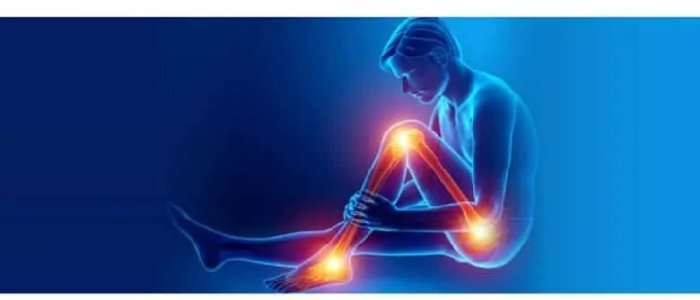
Being overweight or obese is now recognised as a serious cause of ill health and disability. There is a significant positive association between orthopaedic disorders and the level of obesity causing pain, deformity and difficulty in walking.

Excess body weight accumulation increases pressure on joints, particularly the hips, knees and ankles.

Here are a few type of  arthritis:

Osteoarthritis

It is a condition of damage/ wear and tear of the joint lining or cartilage. Obesity triggers this by loading excessive weight on the weight bearing joints like the knee and the hip. 

Knee Osteoarthritis

This is the most common arthritis especially in the Indian subcontinent.

While walking, an individual exerts 3 to 6 times pressure that of the body weight on the weight-bearing knee joint, which means in an obese with excess body weight, larger forces are exerted, which lead to higher risk of deterioration of cartilage.

In addition, there are excessive fat tissues that produce hormones and other factors that affect the joint cartilage metabolism and cause inflammation of the joints giving rise to joint pathology.  Leptin is one of the hormones causing knee osteoarthritis. 

Hip osteoarthritis

The force exerted across the hip is 3 times that of body weight. Hip osteoarthritis is caused by factors such as joint injury, increasing age and being overweight.    

Hand osteoarthritis

The observation that obese individual has a higher risk in having hand osteoarthritis has led to a hypothesis that the metabolic effect produced by fat tissue is the underlying factor. 

Osteoporosis

It is a progressive bone condition of decrease in bone mass and density (Bone Mineral Density or BMD) which can lead to an increased risk of fracture. Recent research suggests that obesity may accelerate bone loss. It is the amount of muscle mass which is seen in an active person, which accounts for bone strengthening effects and not due to the fat seen in a heavy person.

Low back pain

Low back pain from degenerative disc disease of the lumbar spine is one of the most disabling conditions in the community and overweight and obesity have the strongest association with seeking care for low back pain.

Managing Hip and Knee Osteoarthritis

Life style changes

If one is overweight, try to lose weight by doing more physical activity and eating a healthier diet. Regular exercise keeps you active and mobile and builds up muscle, thereby strengthening the joints and can improve symptoms. 

Pain Killers

Painkillers help with pain and stiffness for short term. They don’t affect the arthritis itself and won’t repair the damage to your joint. Creams and gels can be applied directly onto painful joints.

Nutritional Supplements

Glucosamine and chondroitin are nutritional supplements. Animal studies have found that glucosamine can both delay the breakdown of and repair damaged cartilage. However, there is insufficient evidence to support the use of glucosamine in humans and one can expect only a mild-to-moderate reduction in pain

Joint injections

If pain from osteoarthritis is severe joint steroid injections are injected into the joints that can reduces swelling and pain. The injections can start working within a day or so and may improve pain for several weeks or months. 

Hyaluronic acid injections, which help to lubricate your knee joint also give short term relief. In early stages. Stem cell treatment or cartilage regeneration procedures are being tried in young people with small defects, however it is still experimental and lacks long term evidence.

Surgery

May be recommended if you have severe pain or mobility problems.

Arthroscopy

If one has frequent painful locking/stiffening episodes especially in the knee joint, an operation to wash out loose fragments of bone and other tissue as joint can be performed by a minimally invasive key hole procedure called Arthroscopy.

Arthrodesis

If hip or knee replacement is not suitable, especially in young people who do heavy manual work, one can consider an operation known as an arthrodesis, which fuses your joint in a permanent position. This means that your joint will be stronger and much less painful, although you will no longer be able to move it.

Osteotomy

In young, active people in whom a knee joint replacement would fail due to excessive use one can consider an operation called an osteotomy. This involves adding or removing a small section of bone either above or below your knee joint.  This helps realign your knee so your weight is no longer focused on the damaged part of your knee. An osteotomy can relieve your symptoms of osteoarthritis, although you may still need knee replacement surgery eventually as you grow old

Joint replacement surgery

Joint replacement therapy is most commonly carried out to replace hip and knee joints. It involves replacing a damaged, worn or diseased joint with an artificial joint made of special plastics and metal.

For most people, a replacement hip or knee will last for at least 20 years, especially if it is cared for properly and not put under too much strain.

Dr G K Sudhakar Reddy is a Sr Consultant Orthopaedic Surgeon at Citizens Speciality Hospitals, Hyderabad

Comments

Add new comment

  • Coastaldigest.com reserves the right to delete or block any comments.
  • Coastaldigset.com is not responsible for its readers’ comments.
  • Comments that are abusive, incendiary or irrelevant are strictly prohibited.
  • Please use a genuine email ID and provide your name to avoid reject.
Agencies
May 8,2020

As Europe and the US loosen their lockdowns against the coronavirus, health experts are expressing growing dread over what they say is an all-but-certain second wave of deaths and infections that could force governments to clamp back down.

"We are risking a backslide that will be intolerable," said Dr Ian Lipkin of Columbia University's Center for Infection and Immunity.

Around the world, German authorities began drawing up plans in case of a resurgence of the virus. Experts in Italy urged intensified efforts to identify new victims and trace their contacts. And France, which has not yet eased its lockdown, has already worked up a "reconfinement plan" in the event of a new wave.

"There will be a second wave, but the problem is to which extent. Is it a small wave or a big wave? It is too early to say," said Olivier Schwartz, head of the virus unit at France's Pasteur Institute.

In the US, with about half of the states easing their shutdowns to get their economies restarted and cellphone data showing that people are becoming restless and increasingly leaving home, public health authorities are worried.

Many states have not put in place the robust testing that experts believe is necessary to detect and contain new outbreaks. And many governors have pressed ahead before their states met one of the key benchmarks in the Trump administration's guidelines for reopening -- a 14-day downward trajectory in new illnesses and infections.

"If we relax these measures without having the proper public health safeguards in place, we can expect many more cases and, unfortunately, more deaths," said Josh Michaud, associate director of global health policy with the Kaiser Family Foundation in Washington.

Cases have continued to rise steadily in places such as Iowa and Missouri since the governors began reopening, while new infections have yo-yoed in Georgia, Tennessee and Texas.

Lipkin said he is most worried about two things: the reopening of bars, where people crowd together and lose their inhibitions, and large gatherings such as sporting events, concerts and plays. Preventing outbreaks will require aggressive contact tracing powered by armies of public health workers hundreds of thousands of people strong, which the US does not yet have, Lipkin said.

Worldwide the virus has infected more than 36 lakh people and killed over a quarter-million, according to a tally by Johns Hopkins University that experts agree understates the dimensions of the disaster because of limited testing, differences in counting the dead and concealment by some governments.

The US has recorded over 70,000 deaths and 12 lakh confirmed infections, while Europe has reported over 140,000 dead.

This week, the researchers behind a widely cited model from the University of Washington nearly doubled their projection of deaths in the US to around 134,000 through early August, in large part because of the easing of state stay-at-home restrictions. Newly confirmed infections per day in the US exceed 20,000 and deaths per day are running well over 1,000.

In hard-hit New York City, which has managed to bring down deaths dramatically even as confirmed infections continue to rise around the rest of the country, Mayor Bill de Blasio warned that some states may be reopening too quickly.

"My message to the rest of the country is learn from how much effort, how much discipline it took to finally bring these numbers down and follow the same path until you are sure that it is being beaten back," he said on CNN, "or else, if this thing boomerangs, you are putting off any kind of restart or recovery a hell of a lot longer."

A century ago, the Spanish flu epidemic's second wave was far deadlier than its first, in part because authorities allowed mass gatherings from Philadelphia to San Francisco.

"It is clear to me that we are in a critical moment of this fight. We risk complacency and accepting the preventable deaths of 2,000 Americans each day," epidemiologist Caitlin Rivers, a professor at Johns Hopkins, told a House subcommittee in Washington.

President Donald Trump, who has pressed hard to ease the restrictions that have throttled the economy and thrown more than three crore Americans out of work, pulled back Wednesday on White House plans revealed a day earlier to wind down the coronavirus task force.

He tweeted that the task force will continue meeting indefinitely with a "focus on SAFETY & OPENING UP OUR COUNTRY AGAIN".

Underscoring those economic concerns, the European Union predicted the worst recession in its quarter-century history. And the US unemployment rate for April, which comes out on Friday, is expected to hit a staggering 16 per cent, a level last seen during the Great Depression of the 1930s.

Governors continue to face demands, even lawsuits, to reopen. In Michigan, where armed demonstrators entered the Capitol last week, the Republican-led Legislature sued Democratic Governor Gretchen Whitmer, asking a judge to declare invalid her stay-at-home order, which runs at least through May 15.

In hard-hit Italy, which has begun easing restrictions, Dr Silvio Brusaferro, president of the Superior Institute of Health, urged "a huge investment" of resources to train medical personnel to monitor possible new cases of the virus, which has killed about 30,000 people nationwide.

He said that contact-tracing apps which are being built by dozens of countries and companies are not enough to manage future waves of infection.

German Chancellor Angela Merkel said after meeting with the country's 16 governors that restaurants and other businesses will be allowed to reopen in the coming weeks but that regional authorities will have to draw up a "restriction concept" for any county that reports 50 new cases for every 100,000 inhabitants within a week.

Lothar Wieler, head of Germany's national disease control centre, said scientists "know with great certainty that there will be a second wave" of infections.

Britain, with over 30,000 dead, the second-highest death toll in the world behind the US, plans to extend its lockdown but has begun recruiting 18,000 people to trace contacts of those infected.

In other developments, the US Centers for Disease Control and Prevention said nearly 5,000 coronavirus illnesses and at least 88 deaths have been reported among inmates in American jails and prisons. An additional 2,800 cases and 15 deaths were reported among guards and other staff members.

Comments

Add new comment

  • Coastaldigest.com reserves the right to delete or block any comments.
  • Coastaldigset.com is not responsible for its readers’ comments.
  • Comments that are abusive, incendiary or irrelevant are strictly prohibited.
  • Please use a genuine email ID and provide your name to avoid reject.
Agencies
May 5,2020

The lockdown forced by the coronavirus in India has had some unexpected but positive fallouts: It has brought families together and reduced corporate politics, says an expert working in the field for the past decade.

"Today the whole world is on lockdown because of COVID-19, and all that we read, talk and hear is about life and death. We can't deny that the times are tough and the future is uncertain. But I would like to turn the coin and see the other side: the positive side," Shikha Mittal, Founder Director of Be.artsy told IANS in an interview.

Be.artsy is one of India's leading social awareness enterprises which deals with emotions at work and promotes arts as a communication tool for workplaces.

"In the 21st century, personally and professionally, people are practising politics over humanity, competition over collaboration, and have lost touch with themselves due to materialistic desires. During the lockdown, we are forced to confront our existing daily lives, and two interesting things that we can ponder upon, have emerged.

"First, have we ever looked at our family with the same lens as we are using today? What is it that we are doing differently with family today, and what can we do to carry our actions of today into our tomorrow? This is the premise of the #aajjaisakalcontest" that Be.artsy has launched across India.

The aim is "to encourage people to share one habit or life skill that they never practiced earlier, but post Covid-19 would like to continue and enjoy".

How did Be.artsy come about?

"I used to be in the corporate world, earning promotions and greater responsibility. However, the work conditions in those days were unfriendly to women and I had faced many instances of sexual harassment and workplace harassment in the six years of my corporate career. And that's when I had an epiphany."

Be.artsy's most popular programmes are on Prevention of Sexual Harassment (POSH) and on Financial Literacy which makes young people financially independent and better prepared to face the corporate world. "We know that a stitch in time (of planning for the future) saves nine (debt trap, dependence, health emergencies, expenses exceeding income, no savings, families without support, retirement in poverty, lost dreams, extravagance). This can only be achieved by sensitisation," Mittal explained.

Comments

Add new comment

  • Coastaldigest.com reserves the right to delete or block any comments.
  • Coastaldigset.com is not responsible for its readers’ comments.
  • Comments that are abusive, incendiary or irrelevant are strictly prohibited.
  • Please use a genuine email ID and provide your name to avoid reject.