May 30: Patients undergoing surgery after contracting the novel coronavirus are at an increased risk of postoperative death, according to a new study published in The Lancet journal which may lead to better treatment guidelines for COVID-19.
In the study, the scientists, including those from the University of Birmingham in the UK, examined data from 1,128 patients from 235 hospitals from a total of 24 countries.
Among COVID-19 patients who underwent surgery, they said the death rates approach those of the sickest patients admitted to intensive care after contracting the virus.
The scientists noted that SARS-CoV-2 infected patients who undergo surgery, experience substantially worse postoperative outcomes than would be expected for similar patients who do not have the infection.
According to the study, the 30-day mortality among these patients was nearly 24 per cent.
The researchers noted that mortality was disproportionately high across all subgroups, including those who underwent elective surgery (18.9 per cent), and emergency surgery (25.6 per cent).
Those who underwent minor surgery, such as appendicectomy or hernia repair (16.3 per cent), and major surgery such as hip surgery or for colon cancer also had higher mortality rates (26.9 per cent), the study said.
According to the study, the mortality rates were higher in men versus women, and in patients aged 70 years or over versus those aged under 70 years.
The scientists said in addition to age and sex, risk factors for postoperative death also included having severe pre-existing medical problems, undergoing cancer surgery, undergoing major procedures, and undergoing emergency surgery.
"We would normally expect mortality for patients having minor or elective surgery to be under 1 per cent, but our study suggests that in SARS-CoV-2 patients these mortality rates are much higher in both minor surgery (16.3%) and elective surgery (18.9%)," said study co-author Aneel Bhangu from the University of Birmingham.
Bhangu said these mortality rates are greater than those reported for even the highest-risk patients before the pandemic.
Citing an example from the 2019 UK National Emergency Laparotomy Audit report, he said the 30-day mortality was 16.9 per cent in the highest-risk patients.
Based on an earlier study across 58 countries, Bhangu said the 30-day mortality was 14.9 per cent in patients undergoing high-risk emergency surgery.
"We recommend that thresholds for surgery during the SARS-CoV-2 pandemic should be raised compared to normal practice," he said.
"For example, men aged 70 years and over undergoing emergency surgery are at particularly high risk of mortality, so these patients may benefit from their procedures being postponed," Bhangu added.
The study also noted that patients undergoing surgery are a vulnerable group at risk of SARS-CoV-2 exposure in hospital.
It noted that the patients may also be particularly susceptible to subsequent pulmonary complications, due to inflammatory and immunosuppressive responses to surgery and mechanical ventilation.
The scientists found that overall in the 30 days following surgery 51 per cent of patients developed a pneumonia, acute respiratory distress syndrome, or required unexpected ventilation.
Nearly 82 per cent of the patients who died had experienced pulmonary complications, the researchers said.
"Worldwide an estimated 28.4 million elective operations were cancelled due to disruption caused by COVID-19," said co-author Dmitri Nepogodiev from the University of Birmingham.
"Our data suggests that it was the right decision to postpone operations at a time when patients were at risk of being infected with SARS-CoV-2 in hospital," Nepogodiev said.
According to the researchers, there's now an urgent need for investment by governments and health providers in to measures which ensure that as surgery restarts patient safety is prioritised.
They said this includes the provision of adequate personal protective equipment (PPE), establishment of pathways for rapid preoperative SARS-CoV-2 testing, and consideration of the role of dedicated 'cold' surgical centres.




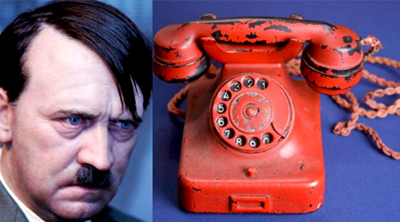 The Maryland company auctioned off more than a thousand items including the phone and a porcelain sculpture of an Alsatian dog for USD 24,300. Both winners bid by telephone. More than 70 years old, the Siemens rotary telephone is embossed with a swastika and the eagle symbolic of the Third Reich. Alexander House dubbed the phone -- which Hitler received from the Wehrmacht, Nazi Germany's armed forces -- as "arguably the most destructive 'weapon' of all time, which sent millions to their deaths."

Comments
Add new comment