



Less water intake accelerates urine infection

February 9, 2017

New Delhi, Feb 9: Winter problems are no longer restricted to cough, cold and flu. When the temperature drops and the cold winds begin to blow, the air becomes drier and our bodies get less moisture than they do in warmer months, leading to dehydration. And that is the first step towards a Urinary Tract Infection (UTI).
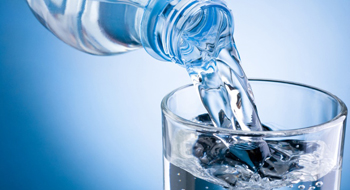
urinaryUTI refers to a bacterial infection anywhere in the urinary tract, such as the bladder, kidneys, ureters, or the urethra and one tends to be exposed to such infections in winters.

Dr. Anant Kumar, Chairman - Urology, Renal Transplant, Robotics, and Uro-Oncology Max Super Speciality Hospital, Saket said, " Our bodies suffer from UTI in winters as we stop drinking water. While we can invest in any warm beverage rather than icy water when it comes to wintertime, it's still critical to maintain the water intake. Consumption of less water, especially during winter is one of the main causes that worsen UTI."

Moreover, the main symptom of the infection which is burning sensation is usually considered a result of eating high calorie rich food during this season. This delays the patients from approaching the doctors on time. Also, women who make contact with the infections are so apprehensive of reporting it to the doctors that they prefer to self-medicate, which in turn makes the infection acute.

While most cases of bladder infection occur suddenly, others may recur over the long-term. Early treatment is keys to preventing the spread of the infection. Bacteria that enter through the urethra and travel into the bladder cause bladder infections. Normally, the body removes the bacteria by flushing them out during urination. This overwhelms the body's ability to destroy them, resulting in a bladder infection.

According to Dr. Kumar, for preventing bladder infections the following lifestyle changes may help reduce or eliminate the occurrence of bladder infections:

• Change underwear daily: Since women are more prone to infections, they should change their undergarments twice a day.

• Don't hold urine: Urinate as soon as you feel the need. Holding urine for long multiplies the bacteria, thus causes infection.

• Wear cotton underwear: Cotton underwear's are comfortable, especially for women as it helps keep the vagina dry. Synthetic underwear's cause excessive friction, thus leading to discharge of fluid which causes irritability

• Don't Use feminine hygiene sprays: The pH in the vagina regulates itself, and douching or spraying, changes the equilibrium.

• Urinate before and after sexual activity: Urinating right after sex can help prevent the spread of faecal bacteria to the bladder and thus reduce the risk of UTIs. Men should pass urine each time after the sexual intercourse.

Here are the five most effective bladder infection remedies:

• Drink more water: Have at least 2 litres of water every day. Water flushes out the bacteria in your bladder, helping to eliminate the infection faster. It also dilutes your urine, so urination may be less painful.

• Antibiotics: Antibiotics kill the bacteria causing the bladder infection. Antibiotics may not always be needed. In some cases, a minor bladder infection can resolve on its own. It might cause symptoms for a day or two, but with increased hydration and urination, it may pass.

• Heating pads: Putting low heat across your abdominal region or back may soothe the dull ache that sometimes occurs during bladder infections. This can be especially helpful if medications aren't enough to ease your discomfort.

• Appropriate dress: Bacteria thrive in warm and moist environments.

Tight jeans and other snugly fitting clothes can trap moisture in your most delicate areas, making them a breeding ground for bacteria. Wearing loose, casual clothing that allows your skin to breathe can keep the bacteria in your urinary tract at bay.


Comments

Add new comment

  • Coastaldigest.com reserves the right to delete or block any comments.
  • Coastaldigset.com is not responsible for its readers’ comments.
  • Comments that are abusive, incendiary or irrelevant are strictly prohibited.
  • Please use a genuine email ID and provide your name to avoid reject.
Agencies
February 11,2020

Using smartphone for long hours every day may do you more harm than you can probably think of. Researchers have found that spending a lot of time with the device and on social media may lead to mental distress and suicidality among adolescents.

The findings, published in the journal CMAJ (Canadian Medical Association Journal) contains guidance for physicians, parents and teachers on how to help teenagers manage smartphone and social media use for a healthy balance between sleep, academic work, social activity, interpersonal relationships and online activity.

"Physicians, teachers and families need to work together with youth to decrease possible harmful effects of smartphones and social media on their relationships, sense of self, sleep, academic performance, and emotional well-being," said lead author of the study Elia Abi-Jaoude from Toronto Western Hospital in Canada.

This review of evidence, led by the Hospital for Sick Children (SickKids), focuses on smartphone use and does not consider online gaming.

"For adolescents today, who have not known a world without social media, digital interactions are the norm, and the potential benefits of online access to productive mental health information -- including media literacy, creativity, self-expression, sense of belonging and civic engagement -- as well as low barriers to resources such as crisis lines and Internet-based talking therapies cannot be discounted," the authors wrote.

The researchers recommend that doctors should ask teenagers to reduce social media use rather than eradicate it completely and encourage parents to be part of the conversations.

Parents should discuss appropriate smartphone use with teenagers to determine together how to reduce risks and set boundaries.

A recent poll from the US indicates that 54 per cent of teenagers think they spend too much time on their smartphones and about half said they were cutting back on usage.

"Encouragingly, youth are increasingly recognising the negative impact of social media on their lives and starting to take steps to mitigate it," the authors wrote.

Comments

Add new comment

  • Coastaldigest.com reserves the right to delete or block any comments.
  • Coastaldigset.com is not responsible for its readers’ comments.
  • Comments that are abusive, incendiary or irrelevant are strictly prohibited.
  • Please use a genuine email ID and provide your name to avoid reject.
Agencies
July 30,2020

New York, Jul 30: Can the coronavirus spread through the air? Yes, it's possible.

The World Health Organisation recently acknowledged the possibility that Covid-19 might be spread in the air under certain conditions.

Recent Covid-19 outbreaks in crowded indoor settings — restaurants, nightclubs and choir practices — suggest the virus can hang around in the air long enough to potentially infect others if social distancing measures are not strictly enforced.

Experts say the lack of ventilation in these situations is thought to have contributed to spread, and might have allowed the virus to linger in the air longer than normal.

In a report published in May, researchers found that talking produced respiratory droplets that could remain in the air in a closed environment for about eight to 14 minutes.

The WHO says those most at risk from airborne spread are doctors and nurses who perform specialized procedures such as inserting a breathing tube or putting patients on a ventilator.

Medical authorities recommend the use of protective masks and other equipment when doing such procedures.

Scientists maintain it's far less risky to be outside than indoors because virus droplets disperse in the fresh air, reducing the chances of Covid-19 transmission.

Comments

Add new comment

  • Coastaldigest.com reserves the right to delete or block any comments.
  • Coastaldigset.com is not responsible for its readers’ comments.
  • Comments that are abusive, incendiary or irrelevant are strictly prohibited.
  • Please use a genuine email ID and provide your name to avoid reject.
News Network
February 21,2020

Washington, Feb 21: The fat around arteries may play an important role in keeping the blood vessels healthy, according to a study in rats that may affect how researchers test for treatments related to plaque buildup, as seen in conditions leading to heart attack.

The study, published in the journal Scientific Reports, noted that the fat, known as perivascular adipose tissue, or PVAT, helps arteries let go of muscular tension while under constant strain.

According to the researchers, including Stephanie W. Watts from the Michigan State University in the US, this feature is similar to how the bladder expands to accommodate more liquid, while at the same time keeping it from spilling out.

"In our study, PVAT reduced the tension that blood vessels experience when stretched," Watts said.

"And that's a good thing, because the vessel then expends less energy. It's not under as much stress," she added.

According to Watts and her team, PVAT has largely been ignored by researchers believing its main job was to store lipids and do little more.

Until now, she said, scientists only divided blood vessels into three parts, the innermost layer called the tunica intima, the middle layer called the tunica media, and the outermost layer called the tunica adventitia.

Watts believes PVAT is the fourth layer, which others have called tunica adiposa.

Tunica, she said, meant a membranous sheath enveloping or lining an organ, and adiposa is a synonym for fat.

"For years, we ignored this layer -- in the lab it was thrown out. In the clinic it wasn't imaged. But now we're discovering it may be integral to our blood vessels," Watts said.

"Our finding redefines what the functional blood vessels are, and is part of what can be dysfunctional in diseases that afflict us, including hypertension. We need to pay attention to this layer of a blood vessel because it does far more than we originally thought," she added.

Earlier studies, Watts said, had shown that PVAT plays a role in the functioning of blood vessels, finding that it secretes substances that can cause blood vessels to relax as well as substances that can cause it to contract.

In the current study, the researchers decided to test whether PVAT provides a structural benefit to arteries by assisting the function of stress relaxation.

They tested the thoracic aorta in rats, and found those with intact PVAT had more stress relaxation than those without.

The study revealed that the pieces of artery with surrounding fat had measurably relaxed more than those without.

Watts and her colleagues then tested other arteries, and were able to duplicate the same response.

"It's not something you see only in this particular vessel or this particular species or this particular strain. But that maybe it's a general phenomenon," she said.

Comments

Add new comment

  • Coastaldigest.com reserves the right to delete or block any comments.
  • Coastaldigset.com is not responsible for its readers’ comments.
  • Comments that are abusive, incendiary or irrelevant are strictly prohibited.
  • Please use a genuine email ID and provide your name to avoid reject.