



Payment of zakat made easy

July 27, 2014

Jeddah, Jul 27: Various charitable organizations have made zakat high-tech by deploying their booths across the city and collecting funds from donors through magnetic cards.
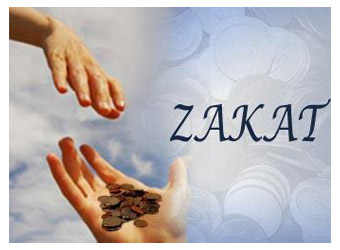
ZakatAll debit and credit card transactions are linked to these organizations’ accounts and the person fulfilling zakat receives a receipt for his payment.

Intended to take deposits for charity, this new mode allows people to save time and avoid hassles. All the booths present at mosques, malls and shopping areas have agents drawing people’s attention to it.

Maufiq Mutallaq Al-Maramhi, marketing representative of Al-Birr Charitable Society, said that this move aims to enhance awareness of zakat by reaching the maximum number of people and deliver best methods to enhance the fulfillment of this duty.

“It’s a first step that we have taken to ease the process of people paying their zakat while they are shopping with the use of their ATM cards or any other magnetic cards instead of cash. From the beginning of Ramadan, this new door that Al-Birr has opened is bound to reap benefits for people in need in Khalees Governorate as well as in the Kingdom,” he said.

He added that zakat received from people during Ramadan, especially assisted the orphan sponsorship and the iftar project. “We saw daily 15 to 20 people interested to pay zakat and help these programs,” he said.

Similarly, several other organizations adopted the same method to collect donations from people by installing their booths in public areas and successfully enhanced awareness of zakat by attracting a number of people.

“This is the first time I’ve noticed a new technique of paying zakat in the city. I am glad to pay zakat to the poor in the Kingdom with the help of these associations. I believe this system of paying through ATM cards will definitely help those who want to pay their zakat in the Kingdom. Also, it is definitely going to be easy to use, especially for those who want to pay a specific amount,” Mohammad Sohail, a Saudi resident, said.

Majed Abdullah, an Egyptian resident, said: “I tend to give zakat to the poor when I visit Egypt during Ramadan or Eid. This time I contributed my zakat through Al-Birr Society. I felt it was more convenient and the projects it supported were attractive.”

A Jordanian resident, Fatimah, said: “The high-tech process to collect funds is an innovative method and caters to the needs of society. Several women crowded the booth outside the mosque’s female section and paid their zakat. This system helped everyone to pay their zakat the easier way.”

Comments

Add new comment

  • Coastaldigest.com reserves the right to delete or block any comments.
  • Coastaldigset.com is not responsible for its readers’ comments.
  • Comments that are abusive, incendiary or irrelevant are strictly prohibited.
  • Please use a genuine email ID and provide your name to avoid reject.
News Network
April 18,2020

Apr 18: Taking a strong notice of Islamophobia on social media, Princess Hend Al Qassimi, a member of the royal family of United Arab Emirates, called out a series of tweets by a user named Saurabh Upadhyay.

Upadhyay had posted tweets attacking Muslims over the Tablighi Jamaat congregation held in March in Delhi that led to surge of coronavirus cases cases in India. He also gave into rumours of muslims ‘spiting on food’ to spread the virus.

Princess Qassimi shared the screenshots of his tweets and warned that those engaging in racism and Islamophobia will have to pay penalty and will be made to leave UAE. Upadhyay has apparently deactivated his Twitter handle now.

Responding to his earlier posts, she though the ruling family of UAE is “friends with Indians”, his rudeness was “not welcome”.

“All employees are paid to work, no one comes for free. You make your bread and butter from this land which you scorn and your ridicule will not go unnoticed,” she wrote.

Comments

Add new comment

  • Coastaldigest.com reserves the right to delete or block any comments.
  • Coastaldigset.com is not responsible for its readers’ comments.
  • Comments that are abusive, incendiary or irrelevant are strictly prohibited.
  • Please use a genuine email ID and provide your name to avoid reject.
News Network
July 6,2020

Dubai, July 6: Even as the world’s one of the most sought after tourist destinations is gearing up to welcome foreign tourists from July 7, the authorities have taken necessary measures to prevent the spread of covid-19.

If the foreign tourists want to avoid self-isolation after landing in Dubai International Airport, they have to fetch covid-negative certificates from their home country. The certificate ought to have been issued up to 96 hours prior to the travel.

Those without a cvid-negative certificate, however, will need to undergo a PCR test on arrival at the Dubai airports and self-isolate until they receive their negative results.

"If passengers opt to take the PCR test on arrival in Dubai, they must self-isolate until test results are received. If the test result is negative, passengers can leave the hotel and enjoy the trip as normal. However, if the test result is positive, passengers are asked to follow the advice of the Dubai Health Authority and self-isolate," Emirates said in a statement.

Budget carrier flydubai said if a passenger tests positive for Covid-19, he/she would need to observe a 14-day quarantine. The airline also advised passengers to comply with all the precautionary Covid-19 measures in place in Dubai "including wearing a mask, observing social distancing and washing your hands regularly".

Tourists with Covid-19 symptoms

* If a traveller is suspected to have Covid-19 symptoms, Dubai Airports has the right to re-test to ensure the tourist is free of the virus

*It is mandatory for Covid-positive tourists to isolate themselves at an institutional facility provided by the government for 14 days at their own expense.

Other requirements

*Travel insurance: Tourists must have a travel insurance with Covid-19 cover or declare that they would bear the costs for treatment and isolation if required. "Bring an insurance certificate stating Covid-19 coverage to present at check-in," Emirates said.

*Visa: Referring to visa requirements, Emirates said: "Depending on your nationality you can get a visa on arrival, or you can apply for your visit visa from Dubai Immigration before you travel."

*Health Declaration Form: Tourists need to complete the form that states they are free from Covid-19 symptoms. This must be done before embarking.

*Tracing app: Tourists must download the Covid-19 DXB app and register details. "This is critically important since it facilitates easy coordination and communication with the health authorities if tourists experience Covid-19 symptoms," Dubai authorities had said earlier.

Comments

Add new comment

  • Coastaldigest.com reserves the right to delete or block any comments.
  • Coastaldigset.com is not responsible for its readers’ comments.
  • Comments that are abusive, incendiary or irrelevant are strictly prohibited.
  • Please use a genuine email ID and provide your name to avoid reject.
News Network
June 23,2020

Riyadh, June 23: Saudi Arabia has decided to go ahead with the Hajj pilgrimage with strict health measures and protocols in an effort to prevent the spread of covid-19.

Minister of Health Dr. Tawfiq Al-Rabiah and Minister of Hajj and Umrah Dr. Muhammad Saleh Benten today addressed a joint virtual press conference today. 

Minister of Hajj expected that number of domestic pilgrims performing the pilgrimage this year will not be more than 10,000. He also confirmed that no pilgrims from outside the Kingdom will be allowed to perform Hajj this year.

Dr. Al-Rabiah said pilgrims should be less than 65 years of age and not suffering from any chronic diseases.

The Hajj pilgrimage, which is one of the five pillars of Islam and a must for able-bodied Muslims at least once in their lifetime, will this year only welcome a “limited number” of people from inside the Kingdom, authorities had said on Monday.

Every year, about 2.5 million pilgrims visit the holiest sites of Islam in Makkah and Madinah, which could make it a possible breeding ground for the disease.

To prevent COVID-19 from spreading among pilgrims, the health ministry, in collaboration with the Ministry of Hajj and Umrah, has developed the plan to ensure the safety of all visitors.

“We have worked with the Ministry of Health to develop preventative and precautionary measures and protocols that are needed to ensure a safe Hajj season,” Benten said.

Protocols:

1. No more than 10,000 people will be allowed to perform the Hajj pilgrimage.

2. All pilgrims will be tested before they reach the holy sites.

3. Only those under the age of 65 will be allowed to perform Hajj this year.

4. All pilgrims will be asked to self-quarantine after they complete the Hajj rituals.

5. All workers and volunteers will be tested before the Hajj pilgrimage begins.

6. The health status of all pilgrims will be monitored daily.

7. A hospital has been prepared for any emergency that occurs during the pilgrimage.

8. Social distancing measures will be enforced.

Comments

SAN
 - 
Tuesday, 23 Jun 2020

Please check its 1000 or 10,000

Add new comment

  • Coastaldigest.com reserves the right to delete or block any comments.
  • Coastaldigset.com is not responsible for its readers’ comments.
  • Comments that are abusive, incendiary or irrelevant are strictly prohibited.
  • Please use a genuine email ID and provide your name to avoid reject.