


Saudi Arabia among top 3 safest places in world

September 5, 2016

Jeddah, Sep 5: Saudi Arabia has been ranked among the top three safest places in the world, thanks to fewer natural disasters and constant efforts by the government in terms of health, security and infrastructure.
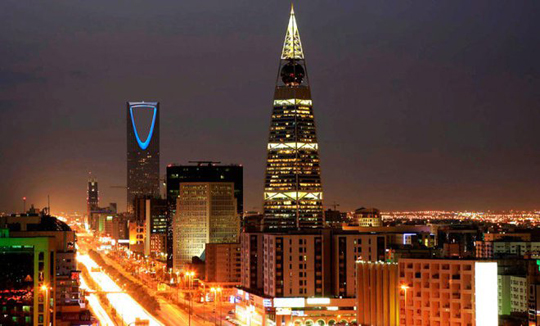
jeddah

The Institute for Environment and Human Security at the UN University has, in its recent report, placed the Kingdom as the third most safe and secure country after Malta and Qatar.

The US ranked 116th, while the most dangerous countries in the world included Vanuatu and Tonga, the Philippines, Guatemala and Bangladesh.

According to the American news site, TakePart, natural disasters like fires, tsunamis and earthquakes reduce the proportion of people living in security and safety.

Researchers at the Institute for Environment and Human Security at the University of the UN recently issued a study analyzing such disasters in 171 countries and the risks they pose.

The study’s project manager, Peter Myuk, said the survey took into account all issues concerning the environment and natural and human aspects, as well as the infrastructure in many countries, the ability to provide security for citizens, and ability to deliver aid quickly in the event of certain disasters.

According to the results of the study, Vanuatu, Tonga, the Philippines, Guatemala and Bangladesh ranked as the five most dangerous countries to live in.

Thirteen countries, out of 15, with low safety levels are located on the African continent, and this can be attributed to the low development levels.

Vanuatu and Tonga specifically suffer from frequent earthquakes and volcanoes, decreasing their safety levels.

Richer countries ranked higher on the list, due to good infrastructure, larger food assistance and the development of telecommunication, electricity, sewage, water and other services that people need.

Australia has been ranked 121st on the list because it suffers from flooding throughout the year; equally low ranked is Japan, which suffers from natural disasters but addresses the challenges with modern building techniques.

The study also revealed that countries such as Liberia (56th), Zambia (66th) and Central Africa (71st) suffer mostly from lack of health and medical resources, as well as medical evacuation and ambulance services.

Many countries also suffer from poor roads, making it difficult for emergency teams to deliver aid during natural disasters.

Based on the findings, researchers concluded that although countries “cannot control the size and strength of natural disasters, as well as the wars that are currently taking place in a number of countries, governments can do more to reduce the danger to humans by providing capabilities that would limit the number of victims.”

Saudi Arabia among top 3 safest places in world
Jeddah, Sep 5: Saudi Arabia has been ranked among the top three safest places in the world, thanks to fewer natural disasters and constant efforts by the government in terms of health, security and infrastructure.

The Institute for Environment and Human Security at the UN University has, in its recent report, placed the Kingdom as the third most safe and secure country after Malta and Qatar.

The US ranked 116th, while the most dangerous countries in the world included Vanuatu and Tonga, the Philippines, Guatemala and Bangladesh.

According to the American news site, TakePart, natural disasters like fires, tsunamis and earthquakes reduce the proportion of people living in security and safety.

Researchers at the Institute for Environment and Human Security at the University of the UN recently issued a study analyzing such disasters in 171 countries and the risks they pose.

The study’s project manager, Peter Myuk, said the survey took into account all issues concerning the environment and natural and human aspects, as well as the infrastructure in many countries, the ability to provide security for citizens, and ability to deliver aid quickly in the event of certain disasters.

According to the results of the study, Vanuatu, Tonga, the Philippines, Guatemala and Bangladesh ranked as the five most dangerous countries to live in.

Thirteen countries, out of 15, with low safety levels are located on the African continent, and this can be attributed to the low development levels.

Vanuatu and Tonga specifically suffer from frequent earthquakes and volcanoes, decreasing their safety levels.

Richer countries ranked higher on the list, due to good infrastructure, larger food assistance and the development of telecommunication, electricity, sewage, water and other services that people need.

Australia has been ranked 121st on the list because it suffers from flooding throughout the year; equally low ranked is Japan, which suffers from natural disasters but addresses the challenges with modern building techniques.

The study also revealed that countries such as Liberia (56th), Zambia (66th) and Central Africa (71st) suffer mostly from lack of health and medical resources, as well as medical evacuation and ambulance services.

Many countries also suffer from poor roads, making it difficult for emergency teams to deliver aid during natural disasters.

Based on the findings, researchers concluded that although countries “cannot control the size and strength of natural disasters, as well as the wars that are currently taking place in a number of countries, governments can do more to reduce the danger to humans by providing capabilities that would limit the number of victims.”

Comments

Add new comment

  • Coastaldigest.com reserves the right to delete or block any comments.
  • Coastaldigset.com is not responsible for its readers’ comments.
  • Comments that are abusive, incendiary or irrelevant are strictly prohibited.
  • Please use a genuine email ID and provide your name to avoid reject.
coastaldigest.com news network
May 24,2020

Abu Dhabi: A senior Hindi teacher at Sunrise School in Abu Dhabi has died of coronavirus, it has been confirmed. Anil Kumar, 50, passed away on Sunday morning, May 24.

The sad and shocking demise of Mr Kumar, a senior Hindi teacher of Sunrise School on May 24, has left the entire Sunrise family in a pall of gloom, read a statement.

“The management, administrators, other faculty members, students and the school as a whole is struck with intense sorrow and is speechless.

“The bond that he had developed over the years, just as how we have with each faculty, makes the loss unbearable. The entire SEPS family is shaken and finds it hard to come to terms with this most saddening news.

“Anil Kumar was a very inspiring teacher. He always brought a creative aspect to the classes he handled and would make it an enjoyable class to attend to. Mr. Anil Kumar had a great way of motivating his students to do their best, and pushed them to be the best they could be. He was a great strength and support to the Department of Hindi, always willing to scaffold and mentor students and teachers. He was a very approachable man, warm and friendly at heart and that is something I will truly miss about Mr. Anil.

“Mr Anil Kumar has left behind his wife and two children. Mrs. Rajini, his wife is also a member of the school family. She is a faculty of the maths department. Our prayers and sincere condolences to each and every one of the family. May God give the strength to endure and face this most challenging phase of their life.”

It is learnt Mr Kumar fell ill with COVID-19 and had been in hospital since May 7.

Comments

Add new comment

  • Coastaldigest.com reserves the right to delete or block any comments.
  • Coastaldigset.com is not responsible for its readers’ comments.
  • Comments that are abusive, incendiary or irrelevant are strictly prohibited.
  • Please use a genuine email ID and provide your name to avoid reject.
KT
June 15,2020

Dubai, Jul 15: His Highness Sheikh Mohammed bin Rashid Al Maktoum, Vice President and Prime Minister of UAE and Ruler of Dubai, announced the launch of a 'New Media Academy in Dubai on Monday - a new institution that will train people on the science of digital media.

Taking to Twitter, Sheikh Mohammed said that new media is a new science that has its own set of special tools and secrets, and that the future cadres of UAE must be at the forefront of it.

"The academy will prepare new experts and managers in the field of communication in government and private institutions, as well as training professional social media influencers", Sheikh Mohammed tweeted, adding that the new media is providing new job opportunities and careers today, and will always be a main supporter in the journey of development.

Comments

Add new comment

  • Coastaldigest.com reserves the right to delete or block any comments.
  • Coastaldigset.com is not responsible for its readers’ comments.
  • Comments that are abusive, incendiary or irrelevant are strictly prohibited.
  • Please use a genuine email ID and provide your name to avoid reject.
News Network
May 11,2020

May 11: Saudi Arabia will triple its value-added tax rate and suspend a cost of living allowance for state workers, it said on Monday, seeking to shield finances hit by low oil prices and a slump in demand for its lifeline export worsened by the new coronavirus.

Historic oil output cuts agreed by Riyadh and other major producers have given only limited support to prices after they sank on oversupply caused by a war for petroleum market share between the kingdom and its fellow oil titan Russia.

Saudi Arabia, the world's largest oil exporter, is also being hit hard by measures to fight the new coronavirus, which are likely to curb the pace and scale of economic reforms launched by Crown Prince Mohammed bin Salman.

"The cost of living allowance will be suspended as of June 1, and the value added tax will be increased to 15% from 5% as of July 1," Finance Minister Mohammed al-Jadaan said in a statement reported by the state news agency. "These measures are painful but necessary to maintain financial and economic stability over the medium to long term...and to overcome the unprecedented coronavirus crisis with the least damage possible."

The austerity measures come after the kingdom posted a $9 billion budget deficit in the first quarter.

The minister said non-oil revenues were affected by the suspension and decline in economic activity, while spending had risen due to unplanned strains on the healthcare sector and the initiatives taken to support the economy.

"All these challenges have cut state revenues, pressured public finances to a level that is hard to deal with going forward without affecting the overall economy in the medium to long term, which requires more spending cuts and measures to support non-oil revenues stability," he added.

The government has cancelled and put on hold some operating and capital expenditures for some government agencies, and cut allocations for some reform initiatives and projects worth a total 100 billion riyals ($26.6 billion), the statement said.

Central bank foreign reserves fell in March at their fastest rate in at least 20 years and to their lowest since 2011, while oil revenues in the first three months of the year fell 24% from a year earlier to $34 billion, pulling total revenues down 22%.

"The reforms are positive from a fiscal side as greater adjustment is essential. However, the tripling of VAT is unlikely to help that much in 2020 revenue wise with the expected fall in consumption," said Monica Malik, chief economist at Abu Dhabi Commercial Bank.

She said she kept unchanged her deficit forecast of 16.3% of GDP for this year, which already factors in a greater than previously announced spending cut.

About 1.5 million Saudis are employed in the government sector, according to official figures released in December.

In 2018, Saudi Arabia's King Salman ordered a monthly payment of 1,000 riyals ($267) to every state employee to compensate them for the rising living costs after the government hiked domestic gas prices and introduced value-added tax.

DIFFICULT TIMES

A committee has been formed to study all financial benefits paid to public sector employees and contractors, and will submit recommendations within 30 days, the statement said.

In late 2015, when oil prices fell from record highs, the kingdom slashed lavish bonuses, overtime payments and other benefits once considered routine perks in the public sector.

In a country without elections and with political legitimacy resting partly on distribution of oil revenue, the ability of citizens to adapt to such reforms is crucial for stability.

"Tripling the VAT will test the limits of the balance between revenues and consumption as the economy dives into a deep recession. The move will impact consumption and could also lower the expected revenues," said John Sfakianakis, a Gulf expert at the University of Cambridge.

"These are pro-austerity and pro-revenue moves rather than pro-growth ones," he said.

Hasnain Malik, head of equity strategy at Tellimer, said the VAT rise could bring about $24-$26.5 billion in additional non-oil fiscal revenue. The rise would hit consumer spending further but was a needed step towards fiscal sustainability, he said.

Comments

Add new comment

  • Coastaldigest.com reserves the right to delete or block any comments.
  • Coastaldigset.com is not responsible for its readers’ comments.
  • Comments that are abusive, incendiary or irrelevant are strictly prohibited.
  • Please use a genuine email ID and provide your name to avoid reject.