Sleeping for more than eight hours a day? It may up early death risk

Agencies
December 8, 2018

Washington. Dec 8: Turns out, sleeping more than six to eight hours a night is associated with an increased risk of death and cardiovascular diseases.

According to a recent study at the McMaster and Peking Union Medical College, people sleeping more than the recommended upper limit of eight hours increased their risk of major cardiovascular events, like stroke or heart failure, as well as death by up to 41 per cent.

But a possible reason for this could be that people have underlying conditions causing them to sleep longer, which in turn could raise the risk of cardiovascular disease or death, explained the authors of the study.

The findings of the study appeared in the Journal of European Heart.

The team also identified a rising risk among daytime nappers.

"Daytime napping was associated with increased risks of major cardiovascular events and deaths in those with [more than] six hours of nighttime sleep but not in those sleeping [less than] 6 hours a night," said Chuangshi Wang, a researcher.

People who under sleep a daytime nap compensate for the lack of sleep at night and mitigate the risks.

The researchers also reported that having less sleep, under six hours, can increase the risks by nine per cent, compared to people who slept for the recommended six to eight hours.

Comments

Add new comment

  • Coastaldigest.com reserves the right to delete or block any comments.
  • Coastaldigset.com is not responsible for its readers’ comments.
  • Comments that are abusive, incendiary or irrelevant are strictly prohibited.
  • Please use a genuine email ID and provide your name to avoid reject.
International New York Times
July 7,2020

The coronavirus can stay aloft for hours in tiny droplets in stagnant air, infecting people as they inhale, mounting scientific evidence suggests.

This risk is highest in crowded indoor spaces with poor ventilation, and may help explain superspreading events reported in meatpacking plants, churches and restaurants.

It’s unclear how often the virus is spread via these tiny droplets, or aerosols, compared with larger droplets that are expelled when a sick person coughs or sneezes, or transmitted through contact with contaminated surfaces, said Linsey Marr, an aerosol expert at Virginia Tech.

Follow latest updates on the Covid-19 pandemic here

Aerosols are released even when a person without symptoms exhales, talks or sings, according to Marr and more than 200 other experts, who have outlined the evidence in an open letter to the World Health Organization.

What is clear, they said, is that people should consider minimizing time indoors with people outside their families. Schools, nursing homes and businesses should consider adding powerful new air filters and ultraviolet lights that can kill airborne viruses.

What does it mean for a virus to be airborne?

For a virus to be airborne means that it can be carried through the air in a viable form. For most pathogens, this is a yes-no scenario. HIV, too delicate to survive outside the body, is not airborne. Measles is airborne, and dangerously so: It can survive in the air for up to two hours.

For the coronavirus, the definition has been more complicated. Experts agree that the virus does not travel long distances or remain viable outdoors. But evidence suggests it can traverse the length of a room and, in one set of experimental conditions, remain viable for perhaps three hours.

How are aerosols different from droplets?

Aerosols are droplets, droplets are aerosols — they do not differ except in size. Scientists sometimes refer to droplets fewer than 5 microns in diameter as aerosols. (By comparison, a red blood cell is about 5 microns in diameter; a human hair is about 50 microns wide.)

From the start of the pandemic, the WHO and other public health organizations have focused on the virus’s ability to spread through large droplets that are expelled when a symptomatic person coughs or sneezes.

These droplets are heavy, relatively speaking, and fall quickly to the floor or onto a surface that others might touch. This is why public health agencies have recommended maintaining a distance of at least 6 feet from others, and frequent hand washing.

But some experts have said for months that infected people also are releasing aerosols when they cough and sneeze. More important, they expel aerosols even when they breathe, talk or sing, especially with some exertion.

Scientists know now that people can spread the virus even in the absence of symptoms — without coughing or sneezing — and aerosols might explain that phenomenon.

Because aerosols are smaller, they contain much less virus than droplets do. But because they are lighter, they can linger in the air for hours, especially in the absence of fresh air. In a crowded indoor space, a single infected person can release enough aerosolized virus over time to infect many people, perhaps seeding a superspreader event.

For droplets to be responsible for that kind of spread, a single person would have to be within a few feet of all the other people, or to have contaminated an object that everyone else touched. All that seems unlikely to many experts: “I have to do too many mental gymnastics to explain those other routes of transmission compared to aerosol transmission, which is much simpler,” Marr said.

Can I stop worrying about physical distancing and washing my hands?

Physical distancing is still very important. The closer you are to an infected person, the more aerosols and droplets you may be exposed to. Washing your hands often is still a good idea.

What’s new is that those two things may not be enough. “We should be placing as much emphasis on masks and ventilation as we do with hand washing,” Marr said. “As far as we can tell, this is equally important, if not more important.”

Should I begin wearing a hospital-grade mask indoors? And how long is too long to stay indoors?

Health care workers may all need to wear N95 masks, which filter out most aerosols. At the moment, they are advised to do so only when engaged in certain medical procedures that are thought to produce aerosols.

For the rest of us, cloth face masks will still greatly reduce risk, as long as most people wear them. At home, when you’re with your own family or with roommates you know to be careful, masks are still not necessary. But it is a good idea to wear them in other indoor spaces, experts said.

As for how long is safe, that is frustratingly tough to answer. A lot depends on whether the room is too crowded to allow for a safe distance from others and whether there is fresh air circulating through the room.

What does airborne transmission mean for reopening schools and colleges?

This is a matter of intense debate. Many schools are poorly ventilated and are too poorly funded to invest in new filtration systems. “There is a huge vulnerability to infection transmission via aerosols in schools,” said Don Milton, an aerosol expert at the University of Maryland.

Most children younger than 12 seem to have only mild symptoms, if any, so elementary schools may get by. “So far, we don’t have evidence that elementary schools will be a problem, but the upper grades, I think, would be more likely to be a problem,” Milton said.

College dorms and classrooms are also cause for concern.

Milton said the government should think of long-term solutions for these problems. Having public schools closed “clogs up the whole economy, and it’s a major vulnerability,” he said.

“Until we understand how this is part of our national defense, and fund it appropriately, we’re going to remain extremely vulnerable to these kinds of biological threats.”

What are some things I can do to minimize the risks?

Do as much as you can outdoors. Despite the many photos of people at beaches, even a somewhat crowded beach, especially on a breezy day, is likely to be safer than a pub or an indoor restaurant with recycled air.

But even outdoors, wear a mask if you are likely to be close to others for an extended period.

When indoors, one simple thing people can do is to “open their windows and doors whenever possible,” Marr said. You can also upgrade the filters in your home air-conditioning systems, or adjust the settings to use more outdoor air rather than recirculated air.

Public buildings and businesses may want to invest in air purifiers and ultraviolet lights that can kill the virus. Despite their reputation, elevators may not be a big risk, Milton said, compared with public bathrooms or offices with stagnant air where you may spend a long time.

If none of those things are possible, try to minimize the time you spend in an indoor space, especially without a mask. The longer you spend inside, the greater the dose of virus you might inhale.


Comments

Add new comment

  • Coastaldigest.com reserves the right to delete or block any comments.
  • Coastaldigset.com is not responsible for its readers’ comments.
  • Comments that are abusive, incendiary or irrelevant are strictly prohibited.
  • Please use a genuine email ID and provide your name to avoid reject.
Dr G K Sudhakar Reddy
August 4,2020

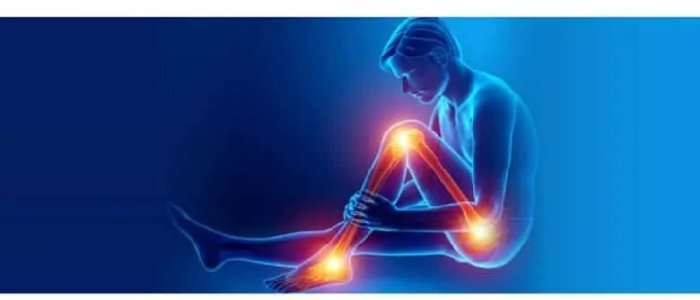
Being overweight or obese is now recognised as a serious cause of ill health and disability. There is a significant positive association between orthopaedic disorders and the level of obesity causing pain, deformity and difficulty in walking.

Excess body weight accumulation increases pressure on joints, particularly the hips, knees and ankles.

Here are a few type of  arthritis:

Osteoarthritis

It is a condition of damage/ wear and tear of the joint lining or cartilage. Obesity triggers this by loading excessive weight on the weight bearing joints like the knee and the hip. 

Knee Osteoarthritis

This is the most common arthritis especially in the Indian subcontinent.

While walking, an individual exerts 3 to 6 times pressure that of the body weight on the weight-bearing knee joint, which means in an obese with excess body weight, larger forces are exerted, which lead to higher risk of deterioration of cartilage.

In addition, there are excessive fat tissues that produce hormones and other factors that affect the joint cartilage metabolism and cause inflammation of the joints giving rise to joint pathology.  Leptin is one of the hormones causing knee osteoarthritis. 

Hip osteoarthritis

The force exerted across the hip is 3 times that of body weight. Hip osteoarthritis is caused by factors such as joint injury, increasing age and being overweight.    

Hand osteoarthritis

The observation that obese individual has a higher risk in having hand osteoarthritis has led to a hypothesis that the metabolic effect produced by fat tissue is the underlying factor. 

Osteoporosis

It is a progressive bone condition of decrease in bone mass and density (Bone Mineral Density or BMD) which can lead to an increased risk of fracture. Recent research suggests that obesity may accelerate bone loss. It is the amount of muscle mass which is seen in an active person, which accounts for bone strengthening effects and not due to the fat seen in a heavy person.

Low back pain

Low back pain from degenerative disc disease of the lumbar spine is one of the most disabling conditions in the community and overweight and obesity have the strongest association with seeking care for low back pain.

Managing Hip and Knee Osteoarthritis

Life style changes

If one is overweight, try to lose weight by doing more physical activity and eating a healthier diet. Regular exercise keeps you active and mobile and builds up muscle, thereby strengthening the joints and can improve symptoms. 

Pain Killers

Painkillers help with pain and stiffness for short term. They don’t affect the arthritis itself and won’t repair the damage to your joint. Creams and gels can be applied directly onto painful joints.

Nutritional Supplements

Glucosamine and chondroitin are nutritional supplements. Animal studies have found that glucosamine can both delay the breakdown of and repair damaged cartilage. However, there is insufficient evidence to support the use of glucosamine in humans and one can expect only a mild-to-moderate reduction in pain

Joint injections

If pain from osteoarthritis is severe joint steroid injections are injected into the joints that can reduces swelling and pain. The injections can start working within a day or so and may improve pain for several weeks or months. 

Hyaluronic acid injections, which help to lubricate your knee joint also give short term relief. In early stages. Stem cell treatment or cartilage regeneration procedures are being tried in young people with small defects, however it is still experimental and lacks long term evidence.

Surgery

May be recommended if you have severe pain or mobility problems.

Arthroscopy

If one has frequent painful locking/stiffening episodes especially in the knee joint, an operation to wash out loose fragments of bone and other tissue as joint can be performed by a minimally invasive key hole procedure called Arthroscopy.

Arthrodesis

If hip or knee replacement is not suitable, especially in young people who do heavy manual work, one can consider an operation known as an arthrodesis, which fuses your joint in a permanent position. This means that your joint will be stronger and much less painful, although you will no longer be able to move it.

Osteotomy

In young, active people in whom a knee joint replacement would fail due to excessive use one can consider an operation called an osteotomy. This involves adding or removing a small section of bone either above or below your knee joint.  This helps realign your knee so your weight is no longer focused on the damaged part of your knee. An osteotomy can relieve your symptoms of osteoarthritis, although you may still need knee replacement surgery eventually as you grow old

Joint replacement surgery

Joint replacement therapy is most commonly carried out to replace hip and knee joints. It involves replacing a damaged, worn or diseased joint with an artificial joint made of special plastics and metal.

For most people, a replacement hip or knee will last for at least 20 years, especially if it is cared for properly and not put under too much strain.

Dr G K Sudhakar Reddy is a Sr Consultant Orthopaedic Surgeon at Citizens Speciality Hospitals, Hyderabad

Comments

Add new comment

  • Coastaldigest.com reserves the right to delete or block any comments.
  • Coastaldigset.com is not responsible for its readers’ comments.
  • Comments that are abusive, incendiary or irrelevant are strictly prohibited.
  • Please use a genuine email ID and provide your name to avoid reject.
Agencies
June 30,2020

Between 30-40 per cent of deaths from studies in intensive care units from different countries are people with diabetes, said Paul Zimmet, Professor of Diabetes, Monash University, Australia.

Zimmet, who is President International Diabetes Federation, added that the actual mechanism as to why COVID-19 may cause diabetes is as yet unknown, however, several possibilities exist. "COVID-19 is a very destructive and cunning virus and causes terrible damage to tissues including the lungs and pancreas," said Zimmet. Below are excerpts from an exclusive chat with IANS.

Why do you say Diabetes is dynamite if a person has been infected with COVID-19?

There have been many deaths in many countries, e.g. Italy, China, the UK and US among people with diabetes after infection with COVID-19 (SARS-Cov-2).

The mortality tends to be mainly in older Type 2 diabetics. Between 30-40 per cent of deaths from studies in intensive care units from different countries are people with diabetes. This outcome and other complications from the virus, particularly pneumonia, are more likely in people with diabetes which is poorly controlled with high blood sugars (poor metabolic control).

Diabetes is often associated with other chronic conditions, including obesity, hypertension and heart disease compounding the risk. These latter conditions all convey higher risk to COVID-19 infections.

ACE-2, which binds to SARS-Cov-2 and allows the virus to enter human cells is also located in organs and tissues involved in glucose metabolism. Is there solid evidence that virus after entering tissues may cause multiple and complex impairment of glucose metabolism?

The actual mechanism as to why COVID-19 may cause diabetes is as yet unknown.

However, several possibilities exist. Firstly, COVID-19 is a very destructive and cunning virus and causes terrible damage to tissues, including the lungs and pancreas.

A new study just published showed that in miniature lab-grown pancreas, and other cells such as liver, made using human stem cells, COVID-19 caused destruction of the pancreas beta cells that produce insulin.

It is possible that the virus causes disruption of the cells by disrupting cellular metabolism. This is possibly the way it brings about new-onset diabetes. ACE-2 exists in high concentration in the lung as this also explains the terrible lung side effects of COVID-19 infections.

Can COVID-19 lead to a new mechanism of diabetes? Probably a new form of diabetes or a new form of disease?

The COVID-19 virus has only been with us for about 5 months and there is a huge amount that we still must learn about its cunning and devastating ways. The purpose of the Global COVIDIAB Diabetes Registry, a joint initiative of Monash University in Australia, and King’s College London is to gain a much better understanding of how common is the appearance of COVID-19 related diabetes, what form does it take be it type 1 or type 2 or a new form, and how common are the complications that we already know e.g. diabetic keto-acidosis, hyperosmolar coma and high insulin requirements are causing high rates of ill health and mortality worldwide. The knowledge gained will aid our understanding for developing strategies to prevent and treat this terrible virus that has caused destruction globally.

Diabetes is one of the most prevalent chronic diseases in India. According to a recent study, sugar levels of diabetic persons increased by 20 per cent during nationwide lockdown in India to contain COVID-19 outbreak. Even after lockdown was lifted, many people are confined within their home. Do you think lack of physical activity will create more problems for diabetics?

My own major research has been on studying populations with high rates of diabetes, including ethnic Indian communities including India, Mauritius, and Fiji so I am very well aware of this. It is now well established that along with diabetes, that associated poor metabolic control of their diabetes places these people at the highest risk for COVID infection and its devastating complications and the associated morbidity and mortality. And these communities have high prevalence of heart disease as well.

Lockdown not only has deleterious effects on metabolic control of the diabetes through reduced opportunities for exercise to be protective serious consequences of SARS-CoV-2 infection, lockdown usually results in disruption of the regular medical care and the regular monitoring of metabolic control. This may also be partly due to the stress and poor compliance, or inability to afford their medications such as insulin. It may also be compounded by inability to access the care during the pandemic. Nevertheless, we now know that poor metabolic control heightens their risk as described above.

You have said diabetes is itself a pandemic just like Covid-19, and the two pandemics could be clashing. How could governments address this problem?

These are “The Times of COVID-19”. Most nations of the world were totally unprepared for a pandemic of this magnitude. They underestimated its potential impact and the destructive nature of the viral infection. This should prompt all countries to upgrade their guidelines to take into account the lessons learnt on infection control including training of staff specialising in infectious diseases and improved public education and taking their communities into their confidence about the terrible nature of COVID-19. The risks of COVID-19 infection need a much higher priority in the general community, particularly for people with chronic conditions such as diabetes, obesity, and cardiac conditions.

Governments are faced with chronic diseases (NCDs) like diabetes and communicable diseases (CDs) like viral and enteric diseases and TB. In general WHO gives the highest priority to communicable diseases and much less attention and funding to chronic diseases like diabetes (I was an adviser to WHO for many years (about 30) on diabetes and obesity and it was very frustrating to deal with this situation).

This attitude to diabetes, for example, has a flow down effect so that diabetes funding in countries by governments, rich and poor, suffered and was insufficient.

So now we have a COVID-19 pandemic and who are those at highest risk, yes people with diabetes and other NCDs, it is very important that now the two, Diabetes and COVID-19 are clashing face-to-face. This is a major issue that WHO and national governments have to face with equal priority’

Stressed people suffering from diabetes run a greater risk of poor blood glucose levels, what do you suggest to these people?

As mentioned in the answer above, stress is an important factor in upsetting the blood sugar (metabolic) control of diabetes. Additive to this is poor compliance with medications and diet. These and potential associated comorbidities due to other chronic conditions are part of the dynamic dynamite mixture.

Comments

Add new comment

  • Coastaldigest.com reserves the right to delete or block any comments.
  • Coastaldigset.com is not responsible for its readers’ comments.
  • Comments that are abusive, incendiary or irrelevant are strictly prohibited.
  • Please use a genuine email ID and provide your name to avoid reject.