


200 Million Indians Suffer From High Blood Pressure: Global Study

November 17, 2016

London, Nov 17: The number of people with high blood pressure has almost doubled in 40 years to over 1.1 billion worldwide, scientists said, with the burden of the condition shifting from the rich to the poor.BP-696x428
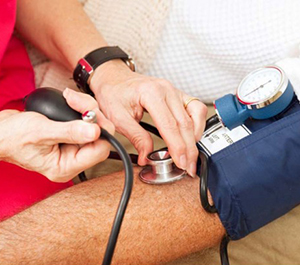
In the largest study of its kind analyzing blood pressure in every nation between 1975 and 2015, the scientists said that it has dropped sharply in wealthy countries – possibly due to healthier diets and lifestyles – but risen in poorer ones.

The increases are especially significant in Africa and South Asia, the researchers said, and could be partly due to poor nutrition in childhood.

High blood pressure, also known as hypertension, puts extra strain on the blood vessels and major organs such as the heart, brain and kidneys. It is the world’s top cause of cardiovascular disease, which leads to strokes and heart attacks, and is estimated to cause 7.5 million deaths a year worldwide.

Led by World Health Organisation researchers working with hundreds of scientists internationally, this study covered blood pressure measurements from nearly 20 million people and was published in The Lancet medical journal.

In Europe, Britain had the lowest proportion of people with high blood pressure in 2015. South Korea, the United States and Canada had the lowest hypertension rates in the world.

More than half the world’s adults with high blood pressure in 2015 lived in Asia, the study estimated. Some 226 million people in China have high blood pressure, it said, as do 200 million in India.

“High blood pressure is no longer related to affluence – as it was in 1975 – but is now a major health issue linked with poverty,” said Majid Ezzati, a professor at Imperial College London’s school of public health.

He said that while he could not be sure of why the data showed high blood pressure as more of a problem in poorer countries, it may be partly due to overall better health and more consumption of fruit and vegetables in wealthy societies.

In rich countries, the condition is also caught more frequently and earlier, and managed more effectively with medicines, Ezzati said.

Blood pressure is defined by two numbers – systolic pressure, which represents the force with which the heart pumps blood into the blood vessels, and diastolic pressure, a measure of the resistance to the blood flow in the body’s blood vessels.

Both numbers are measured in millimetres of mercury (mmHg). High blood pressure is defined as 140/90 mmHg or higher.

The condition is caused by a number of factors including having a diet high in salt and low in fruit and vegetables, and not taking enough exercise.

Comments

Add new comment

  • Coastaldigest.com reserves the right to delete or block any comments.
  • Coastaldigset.com is not responsible for its readers’ comments.
  • Comments that are abusive, incendiary or irrelevant are strictly prohibited.
  • Please use a genuine email ID and provide your name to avoid reject.
Agencies
April 17,2020

Washington DC, Apr 17: In recent research, scientists have linked the emotional, social and psychiatric problems in children and adolescents with higher levels of genetic vulnerability for adult depression. The study implies that the genetics passed from parents may be linked with psychiatric problems in children and adolescents and may also leading to depression in adults.

University of Queensland scientists made the finding while analysing the genetic data of more than 42,000 children and adolescents from seven cohorts across Finland, the Netherlands, Norway, Sweden and the UK.

Professor Christel Middeldorp said that researchers have also found a link with a higher genetic vulnerability for insomnia, neuroticism and body mass index.

"By contrast, study participants with higher genetic scores for educational attainment and emotional well-being were found to have reduced childhood problems," Professor Middeldorp said.

"We calculated a person's level of genetic vulnerability by adding up the number of risk genes they had for a specific disorder or trait and then made adjustments based on the level of importance of each gene We found the relationship was mostly similar across ages," Middeldorp added.

The results indicate there are shared genetic factors that affect a range of psychiatric and related traits across a person's lifespan.

Middeldorp said that around 50 per cent of children and adolescents with psychiatric problems, such as attention deficit hyperactivity disorder (ADHD), continue to experience mental disorders as adults, and are at risk of disengaging with their school community among other social and emotional problems.

"Our findings are important as they suggest this continuity between childhood and adult traits is partly explained by genetic risk," the Professor said.

"Individuals at risk of being affected should be the focus of attention and targeted treatment," Middeldorp continued.

"Although the genetic vulnerability is not accurate enough at this stage to make individual predictions about how a person's symptoms will develop over time, it may become so in the future, in combination with other risk factors. And, this may support precision medicine by providing targeted treatments to children at the highest risk of persistent emotional and social problems," Middeldorp added.

Comments

Add new comment

  • Coastaldigest.com reserves the right to delete or block any comments.
  • Coastaldigset.com is not responsible for its readers’ comments.
  • Comments that are abusive, incendiary or irrelevant are strictly prohibited.
  • Please use a genuine email ID and provide your name to avoid reject.
News Network
May 13,2020

California, May 13: A fasting-mimicking diet could be more effective at treating some types of cancer when combined with vitamin C, suggests a new study conducted by the scientists from USC and the IFOM Cancer Institute in Milan.

In studies on mice, researchers found that the combination delayed tumour progression in multiple mouse models of colorectal cancer; in some mice, it caused disease regression. The results were published in the journal Nature Communications.

"For the first time, we have demonstrated how a completely non-toxic intervention can effectively treat an aggressive cancer," said Valter Longo, the study senior author and the director of the USC Longevity Institute at the USC Leonard Davis School of Gerontology and professor of biological sciences at the USC Dornsife College of Letters, Arts and Sciences.

"We have taken two treatments that are studied extensively as interventions to delay ageing-- a fasting-mimicking diet and vitamin C -- and combined them as a powerful treatment for cancer," added Longo.

The researchers said that while fasting remains a challenging option for cancer patients, a safer, more feasible option is a low-calorie, plant-based diet that causes cells to respond as if the body were fasting.

Their findings suggest that a low-toxicity treatment of fasting-mimicking diet plus vitamin C has the potential to replace more toxic treatments.

Results of prior research on the cancer-fighting potential of vitamin C have been mixed. Recent studies, though, are beginning to show some efficacy, especially in combination with chemotherapy.

In this new study, the research team wanted to find out whether a fasting-mimicking diet could enhance the high-dose vitamin C tumour-fighting action by creating an environment that would be unsustainable for cancer cells but still safe for normal cells.

"Our first in vitro experiment showed remarkable effects. When used alone, fasting-mimicking diet or vitamin C alone reduced cancer cell growth and caused a minor increase in cancer cell death. But when used together, they had a dramatic effect, killing almost all cancerous cells," said Longo.

Longo and his colleagues detected this strong effect only in cancer cells that had a mutation that is regarded as one of the most challenging targets in cancer research.

These mutations in the KRAS gene signal the body is resisting most cancer-fighting treatments, and they reduce a patient's survival rate. KRAS mutations occur in approximately a quarter of all human cancers and are estimated to occur in up to half of all colorectal cancers.

The study also provided clues about why previous studies of vitamin C as a potential anticancer therapy showed limited efficacy. By itself, a vitamin C treatment appears to trigger the KRAS-mutated cells to protect cancer cells by increasing levels of ferritin, a protein that binds iron.

But by reducing levels of ferritin, the scientists managed to increase vitamin C's toxicity for the cancer cells. Amid this finding, the scientists also discovered that colorectal cancer patients with high levels of the iron-binding protein have a lower chance of survival.

"In this study, we observed how fasting-mimicking diet cycles are able to increase the effect of pharmacological doses of vitamin C against KRAS-mutated cancers," said Maira Di Tano, a study co-author at the IFOM, FIRC Institute of Molecular Oncology in Milan, Italy.

"This occurs through the regulation of the levels of iron and of the molecular mechanisms involved in oxidative stress. The results particularly pointed to a gene that regulates iron levels: heme-oxygenase-1," added Tano.

The research team's prior studies showed that fasting and a fasting-mimicking diet slow cancer's progression and make chemotherapy more effective in tumour cells while protecting normal cells from chemotherapy-associated side effects. The combination enhances the immune system's anti-tumour response in breast cancer and melanoma mouse models.

The scientists believe cancer will eventually be treated with low-toxicity drugs in a manner similar to how antibiotics are used to treat infections that kill particular bacteria, but which can be substituted by other drugs if the first is not effective.

To move toward that goal, they say they needed to first test two hypotheses: that their non-toxic combination interventions would work in mice, and that it would look promising for human clinical trials.

In this new study, they said that they've demonstrated both. At least five clinical trials, including one at USC on breast cancer and prostate cancer patients, are now investigating the effects of the fasting-mimicking diets in combination with different cancer-fighting drugs.

Comments

Add new comment

  • Coastaldigest.com reserves the right to delete or block any comments.
  • Coastaldigset.com is not responsible for its readers’ comments.
  • Comments that are abusive, incendiary or irrelevant are strictly prohibited.
  • Please use a genuine email ID and provide your name to avoid reject.
Agencies
July 21,2020

New Delhi, Jul 21: The Centre has written to all states and union territories warning against the use of N-95 masks with valved respirators by people, saying these do not prevent the virus from spreading out and are "detrimental" to the measures adopted for its containment.

The Director General of Health Services (DGHS) in the Ministry of Health, in a letter to the Principal Secretaries of health and medical education of states, said it has been observed that there is "inappropriate use" of N-95 masks, particularly those with valved respirators, by the public other than designated health workers.

The DGHS referred to the advisory on the use of homemade protective cover for face and mouth available on the website of the Ministry of Health.

"It is to bring to your knowledge that the use of valved respirator N-95 masks is detrimental to the measures adopted for preventing the spread of coronavirus as it does not prevent the virus from escaping out of the mask. In view of the above, I request you to instruct all concerned to follow the use of face/mouth cover and prevent inappropriate use of N-95 masks," DGHS Rajiv Garg said in the letter.

The government had in April issued an advisory on the use of homemade protective cover for face and mouth, asking people to wear it, particularly when they step out of their residences.

The advisory stressed such face covers must be washed and cleaned each day, as instructed, and stated that any used cotton cloth can be used to make this face cover.

The colour of the fabric does not matter but one must ensure that the fabric is washed well in boiling water for five minutes and dried well before making the face cover. Adding salt to this water is recommended, it said.

It also listed the procedures of making such homemade masks, asking to ensure it fits the face well and there are no gaps on the sides.

It urges people to wash hands thoroughly before wearing the face cover, switching to another fresh one as the face cover becomes damp or humid, and never reusing it after single use without cleaning it.

"Never share the face cover with anyone. Every member in a family should have separate face cover," the advisory stated.

India's COVID-19 case tally crossed the 11-lakh mark on Monday, while the total number of recovered patients increased to over seven lakh, according to Union health ministry data.

The death toll due to the disease rose to 27,497 with 681 fatalities reported in one day.

The ministry data updated at 8 am on Monday showed that a record single-day jump of 40,425 COVID-19 cases had taken the total number of cases to 11,18,043.

Comments

Add new comment

  • Coastaldigest.com reserves the right to delete or block any comments.
  • Coastaldigset.com is not responsible for its readers’ comments.
  • Comments that are abusive, incendiary or irrelevant are strictly prohibited.
  • Please use a genuine email ID and provide your name to avoid reject.