Mangaluru: Vigour and enthusiasm mark ICYM’s Yuva Samavesh 2015

[email protected] (CD Network)
August 24, 2015

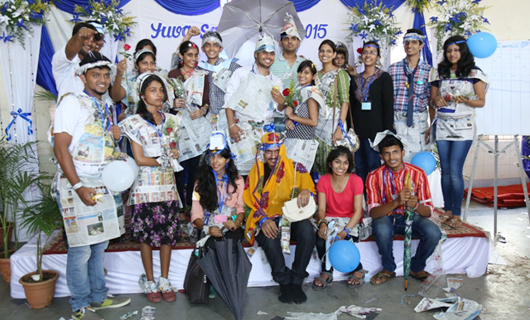
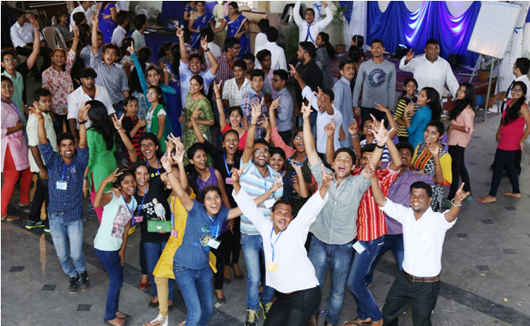
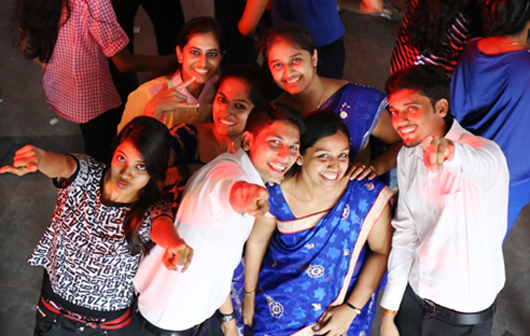
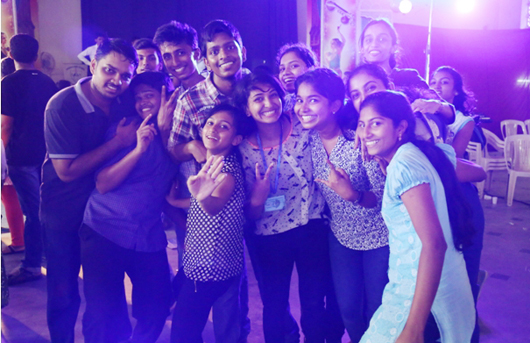
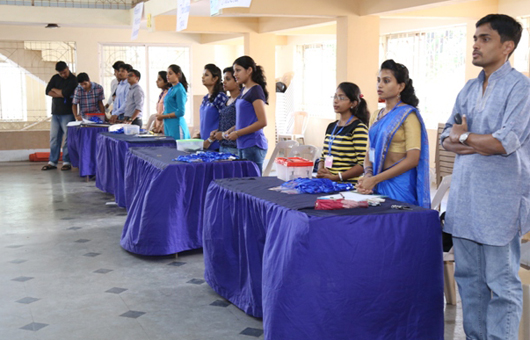
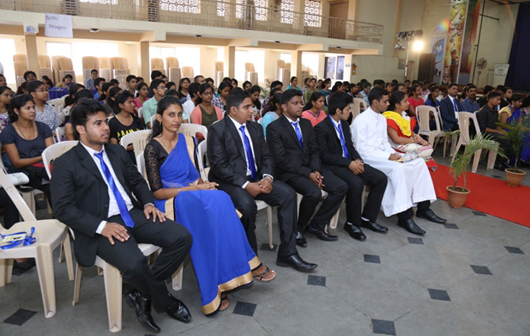
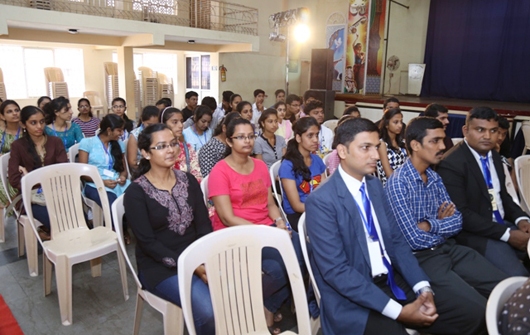
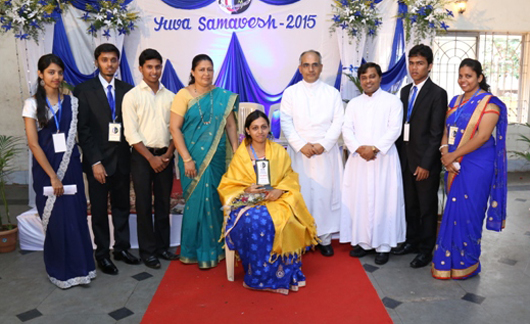
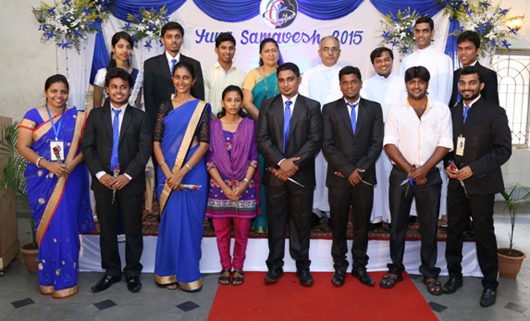
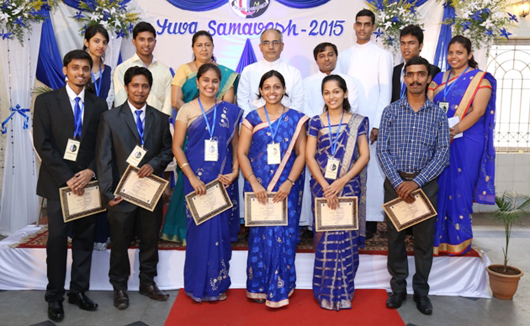
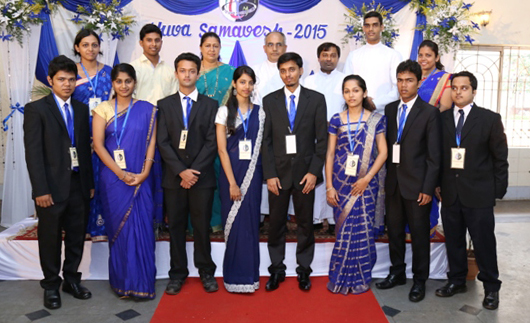
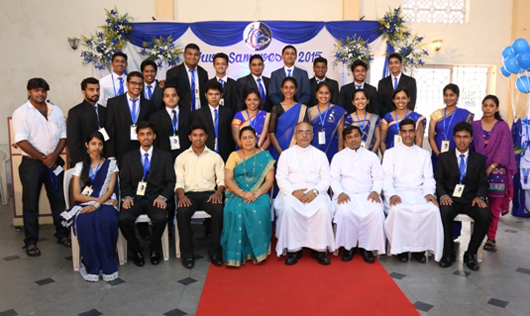
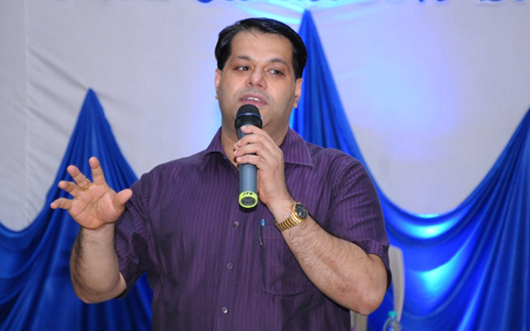
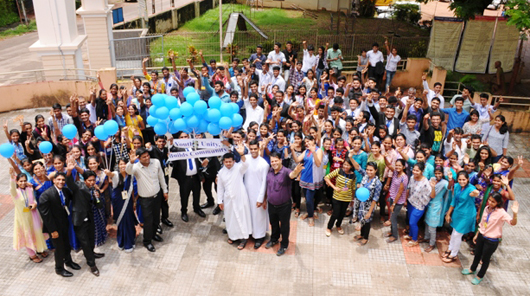
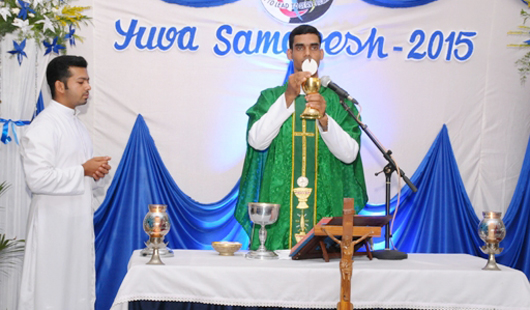
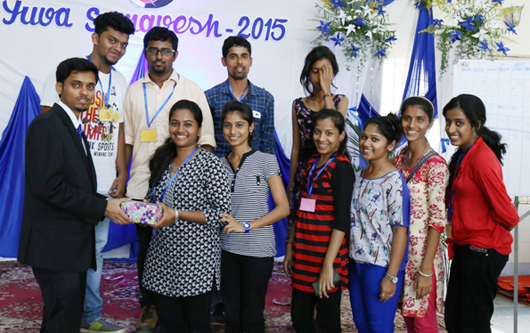
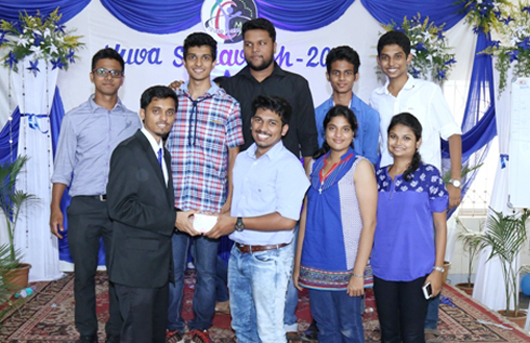
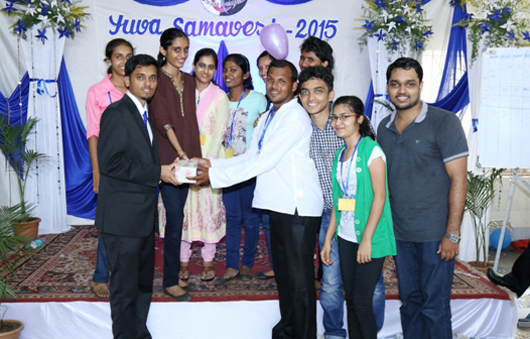
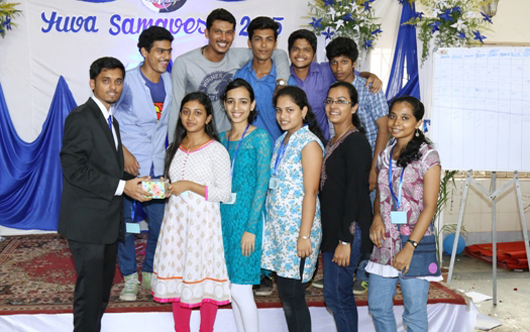
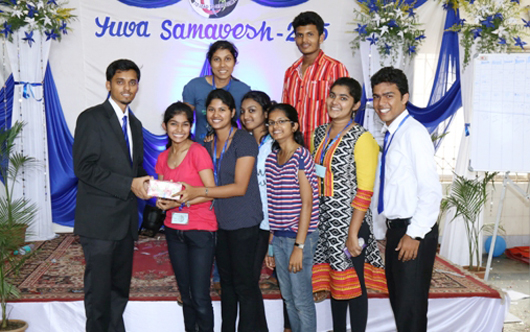
Mangaluru, Aug 24: With great zeal and enthusiasm the Indian Catholic Youth Movement (ICYM) - Episcopal City Deanery, organized Yuva Samavesh 2015 on Sunday at Rosario Church Hall in the city.

Yuva Samawesh 1

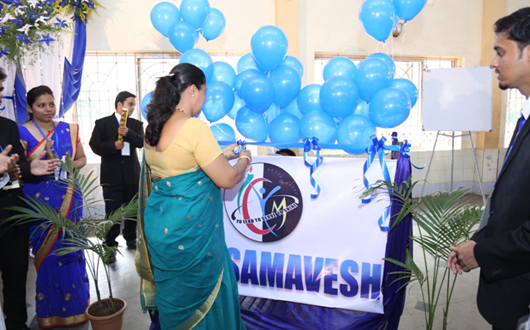
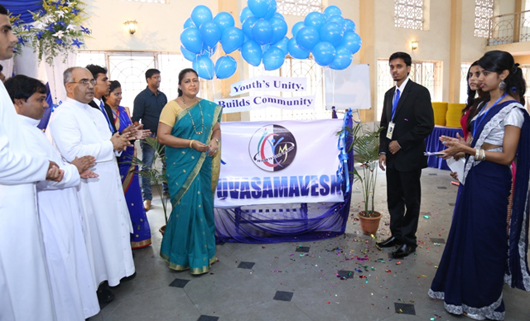
Around 150 youth were present. Mr.Leon Saldanha was the convener for the event. The theme of the program “Youth Unity, Builds Community” was inaugurated by the guests in a unique way.

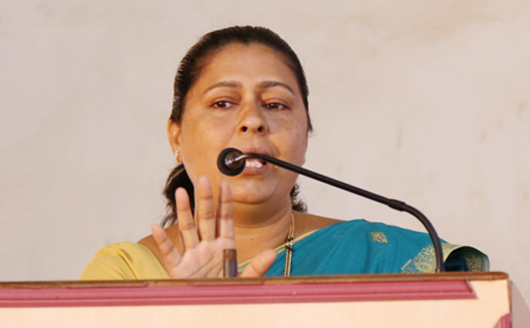
Mangaluru City Corporation Mayor Jacintha Alfred, who was the chief guest inspired the youth with her encouraging words.

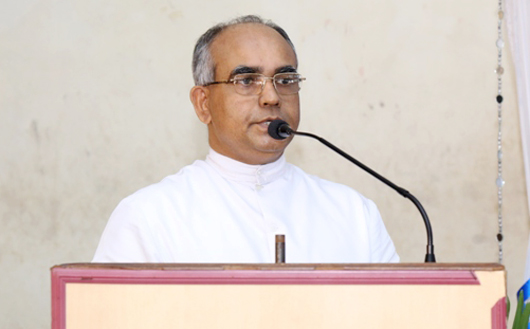
Then the president of Yuva Samavesh, Fr JB Crasta exhorted the youth to have a positive thought in all that they do. Mr Robin Cutino conducted the ice breaker session.

An effective session on the main theme of the programme was conducted by Fr Robert, the Principal of Lourdes Central School, followed by Eucharistic celebration.

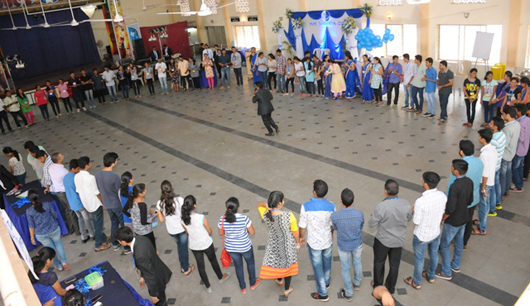
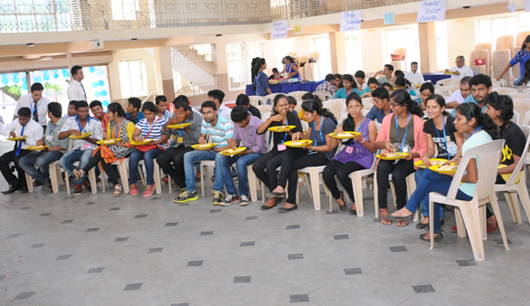
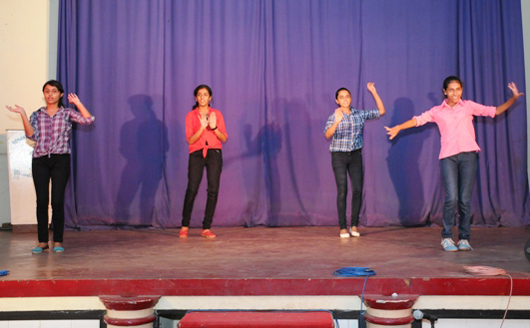
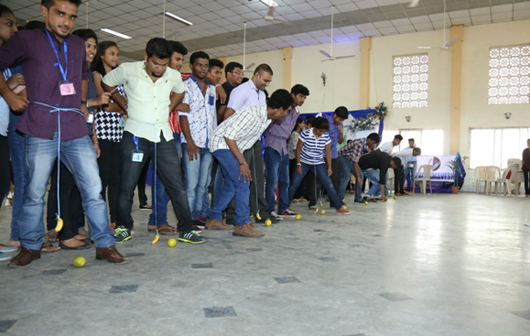
The afternoon session was a fun-filled session where the Dynamic Youth of Episcopal City Deanery units presented their talents and that was really appreciable. Various interesting games and group activities were conducted in which the youth actively participated.

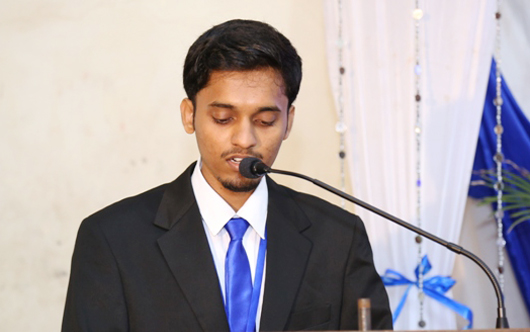
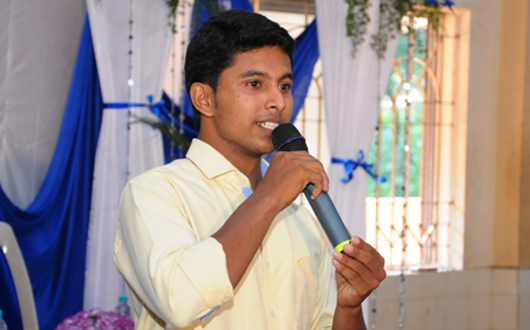
The programme commenced with a prayer song. Mr.Winston compered the formal programme. The event concluded with the feedback session that was conducted by Mr Robin Cutino.

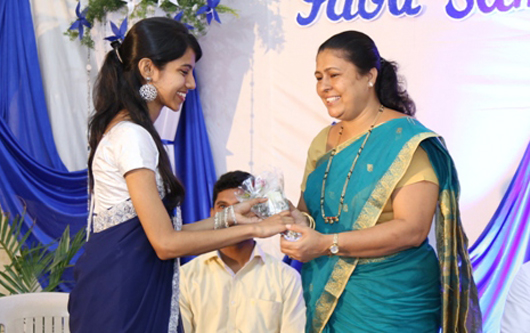
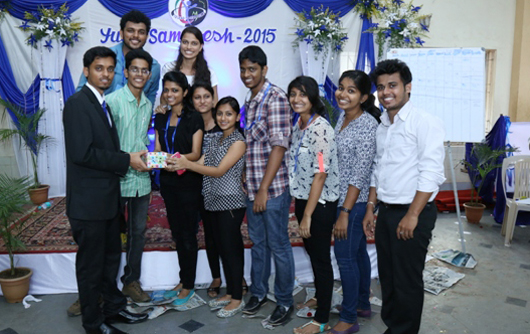
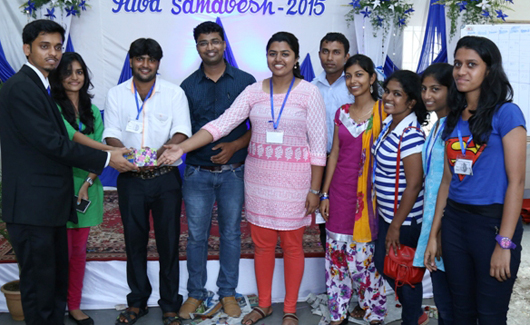
Jacintha Alfred, Fr Santosh Lobo and Jonita Rasquinha were felicitated by Fr JB Crasta for their service to the society and towards youth.

Yuva Samawesh 1

Yuva Samawesh 1

Yuva Samawesh 1

Yuva Samawesh 1

Yuva Samawesh 1

Yuva Samawesh 1

Yuva Samawesh 1

Yuva Samawesh 1

Yuva Samawesh 1

Yuva Samawesh 1

Yuva Samawesh 1

Yuva Samawesh 1

Yuva Samawesh 1

Yuva Samawesh 1

Yuva Samawesh 1

Yuva Samawesh 1

Yuva Samawesh 1

Yuva Samawesh 1

Yuva Samawesh 1

Yuva Samawesh 1

Yuva Samawesh 1

Yuva Samawesh 1

Yuva Samawesh 1

Yuva Samawesh 1

Yuva Samawesh 1

Yuva Samawesh 1

Yuva Samawesh 1

Yuva Samawesh 1

Yuva Samawesh 1

Yuva Samawesh 1

Yuva Samawesh 1

Yuva Samawesh 1

Yuva Samawesh 1

Yuva Samawesh 1

Yuva Samawesh 1

Yuva Samawesh 1

Comments

Katrin
 - 
Wednesday, 16 Nov 2016

Hi, I do believe your web site may be having web browser
compatibility problems. Whenever I look at your
web site in Safari, it looks fine but when opening in Internet Explorer,
it's got some overlapping issues. I just
wanted to provide you with a quick heads up! Aside from that,
wonderful site!

Here is my weblog; Opium sale: http://www.telefonoeroticovero.it/

Jimmie
 - 
Tuesday, 8 Nov 2016

Your style is unique in comparison to other people I've read stuff from.
Thanks for posting when you have the opportunity,
Guess I'll just bookmark this blog.

Feel free to visit my website bollock: http://www.telefonoeroticovero.it/

Marcelino
 - 
Wednesday, 27 Apr 2016

This is the reason why smokers are trying to find a way
to stop smoking- at least. Get more information about electrinic cigarettes at our site.
This includes on airplanes, the bus, and in restaurants and
hospitals.

Feel free to visit mmy weblog: elektronik sigara hakkinda: http://lazyurl.org/elektroniksigarafiyat632459

Add new comment

  • Coastaldigest.com reserves the right to delete or block any comments.
  • Coastaldigset.com is not responsible for its readers’ comments.
  • Comments that are abusive, incendiary or irrelevant are strictly prohibited.
  • Please use a genuine email ID and provide your name to avoid reject.
Agencies
May 8,2020

Washington D.C., May 8: The prime time for brain development in a child's life is the first year, where the infant spends most of the time asleep. It is the time when neural connections form and sensory memories are encoded.

However, when sleep is disrupted, as occurs more often among children with autism, brain development may be affected, too.

New research led by the University of Washington finds that sleep problems in a baby's first 12 months may not only precede an autism diagnosis but also may be associated with altered growth trajectory in a key part of the brain, the hippocampus.

The study, which was published in the American Journal of Psychiatry, researchers report that in a sample of more than 400 taken of 6- to 12-month-old infants, those who were later diagnosed with autism were more likely to have had difficulty falling asleep.

It also states that this sleep difficulty was associated with altered growth trajectories in the hippocampus.

"The hippocampus is critical for learning and memory, and changes in the size of the hippocampus have been associated with poor sleep in adults and older children.

As many as 80 per cent of the children with autism spectrum disorder have sleep problems," said Annette Estes, director of the UW Autism Center and senior author of the study.

"In our clinical experience, parents have a lot of concerns about their children's sleep, and in our work on early autism intervention, we observed that sleep problems were holding children and families back," added Estes, who is also a UW professor of speech and hearing sciences.

"It could be that altered sleep is part-and-parcel of autism for some children. One clue is that behavioural interventions to improve sleep don't work for all children with autism, even when their parents are doing everything just right. This suggests that there may be a biological component to sleep problems for some children with autism," said Estes.

To consider links among sleep, brain development, and autism, researchers at the IBIS Network looked at MRI scans of 432 infants, surveyed parents about sleep patterns, and measured cognitive functioning using a standardized assessment.

At the outset of the study, infants were classified according to their risk for developing autism: Those who were at higher risk of developing autism -- about two-thirds of the study sample -- had an older sibling who had already been diagnosed.

Infant siblings of children with autism have a 20 per cent chance of developing autism spectrum disorder -- a much higher risk than children in the general population.

In the current study, 127 of the 432 infants were identified as "low risk" at the time the MRI scans were taken because they had no family history of autism.

They later evaluated all the participants at 24 months of age to determine whether they had developed autism. Of the roughly 300 children originally considered "high familial risk," 71 were diagnosed with autism spectrum disorder at that age.

Problems with sleep were more common among the infants later diagnosed with an autism spectrum disorder, as were larger hippocampi. No other subcortical brain structures were affected, including the amygdala, which is responsible for certain emotions and aspects of memory, or the thalamus, a signal transmitter from the spinal cord to the cerebral cortex.

The authors note that while parents reported more sleep difficulties among infants who developed autism compared to those who did not, the differences were very subtle and only observed when looking at group averages across hundreds of infants.

Sleep patterns in the first years of life change rapidly as infants transition from sleeping around the clock to a more adult-like sleep/wake cycle. Until further research is completed, Estes said, it is not possible to interpret challenges with sleep as an early sign of increased risk for autism.


Comments

Add new comment

  • Coastaldigest.com reserves the right to delete or block any comments.
  • Coastaldigset.com is not responsible for its readers’ comments.
  • Comments that are abusive, incendiary or irrelevant are strictly prohibited.
  • Please use a genuine email ID and provide your name to avoid reject.
News Network
July 10,2020

Bengaluru, Jul 10: The Karnataka cabinet gave its approval for "The Karnataka Contingency Fund (Amendment) Bill, 2020" to enhance the contingency fund limit to Rs 500 crore in the wake of the COVID-19 pandemic.

This will be an ordinance making one time enhancement in the limit as the government needs money to make payments immediately, Law and Parliamentary Affairs Minister JC Madhuswamy told reporters after a cabinet meeting.

Under the contingency fund, the government had room to spend up to Rs 80 crore without budget provision.

"...but this time due to COVID-19 as we had to give money to some sections that were in distress like barbers, flower and vegetable growers, taxi drivers, among others, we have decided to increase the limit to Rs 500 crore," Mr Madhuswamy said.

"As assembly was not in session and as we had to make payments to those in distress immediately, this decision has been taken," he added.

The cabinet today ratified the administrative approval given to carry out civil and electrical works to install medical gas pipeline with high flow oxygen system at district hospitals, taluk and community health centres coming under Health and Family welfare department in view of COVID-19.

The minister said about Rs 207 crore is being approved for this purpose.

It also ratified procurement of medical equipment and furniture for public healthcare institutions of the health and family welfare department worth Rs 81.99 crore.

According to the minister, the cabinet has decided to bring in an amendment to section 9 of the Lokayukta act, which mandates that the preliminary inquiry contemplated by Lokayukta or Upalokayuta should be completed in 90 days and charge sheeting should be completed within six months.

Noting that at the Agricultural Produce Market Committee (APMC) cess was being collected, he said as the government had brought in an amendment to the APMC act, there was demand to reduce the market cess. "So we have reduced it from 1.5 per cent to one per cent."

Approval has also been given by the cabinet to bring Karnataka Vidyuth Kharkane (KAVIKA) and Mysore Electrical Industries (MEI), which are presently under the control of Commerce and Industries department, under administrative control of the energy department.

Other decisions taken by the cabibinet include deployment and implementation of "e-procurement 2.0" project on PPP at a cost of Rs 184.37 crore and ratification of the action taken to issue orders on March 24 to release interest free loan of Rs 2,500 crore to ESCOMs for payment of outstanding power purchase dues to generating companies.

The cabinet also gave administrative approval for setting up of an Indian Institute of Information technology at Raichur.

"Under this, we are committed to provide Rs 44.8 crore in four years for infrastructure," the minister added.

Comments

Add new comment

  • Coastaldigest.com reserves the right to delete or block any comments.
  • Coastaldigset.com is not responsible for its readers’ comments.
  • Comments that are abusive, incendiary or irrelevant are strictly prohibited.
  • Please use a genuine email ID and provide your name to avoid reject.
News Network
February 1,2020

New Delhi, Feb 1: The budget is a little more demanding of the non-resident Indian. Firstly, to be categorized a non-resident, an Indian now has to stay abroad for 240 days, against 182 previously. In other words, an Indian national, to claim the non-resident status, can’t stay in India for 120 days or more in a year.

“We've made changes in Income Tax Act where if an Indian citizen stays out of the country for more than 182 days, he becomes non-resident,” said Revenue Secy Ajay Bhushan Pandey. “Now in order to become non-resident, he has to stay out of the country for 240 days.”

The second rule is more deadly: a non-resident Indian, who is not taxed in the foreign country, will become taxable in India.

“If any Indian citizen is not a resident of any country in the world, he'll be deemed to be a resident of India and his worldwide income will be taxed,” said Pandey.

"It's a very big disadvantage for Indians residing overseas only to save on tax,"  said Dinesh Kanabar of Dhruva Advisors. He expects that many Indians stay abroad in countries, where the income tax is low or nil such as Dubai. Now they will be taxed in India if they are in the income tax bracket.

For Indians, finance minister Nirmala Sitharaman revised income tax rats and proposed new tax slabs.

The new income tax rates will, however, not allow exemptions under Section 80C. Home loan exemption, insurance exemptions, the standard deduction will also not stay under the regime.

"The new tax regime will be optional and the taxpayers will be given the choice to either remain in the old regime with exemptions and deductions or opt for the new reduced tax rate without those exemptions," Sitharaman said while unveiling Budget.

Comments

Kannadiga
 - 
Saturday, 1 Feb 2020

Good news NRIs vote for modi . 

Add new comment

  • Coastaldigest.com reserves the right to delete or block any comments.
  • Coastaldigset.com is not responsible for its readers’ comments.
  • Comments that are abusive, incendiary or irrelevant are strictly prohibited.
  • Please use a genuine email ID and provide your name to avoid reject.